Mechanical & Product Engineering

Mechanical & Product Engineering

A good concept only matters if it can actually be built.

We combine mechanical engineering, electrical engineering and industrial design to develop physical products as integrated systems — not as a design handed over a wall.

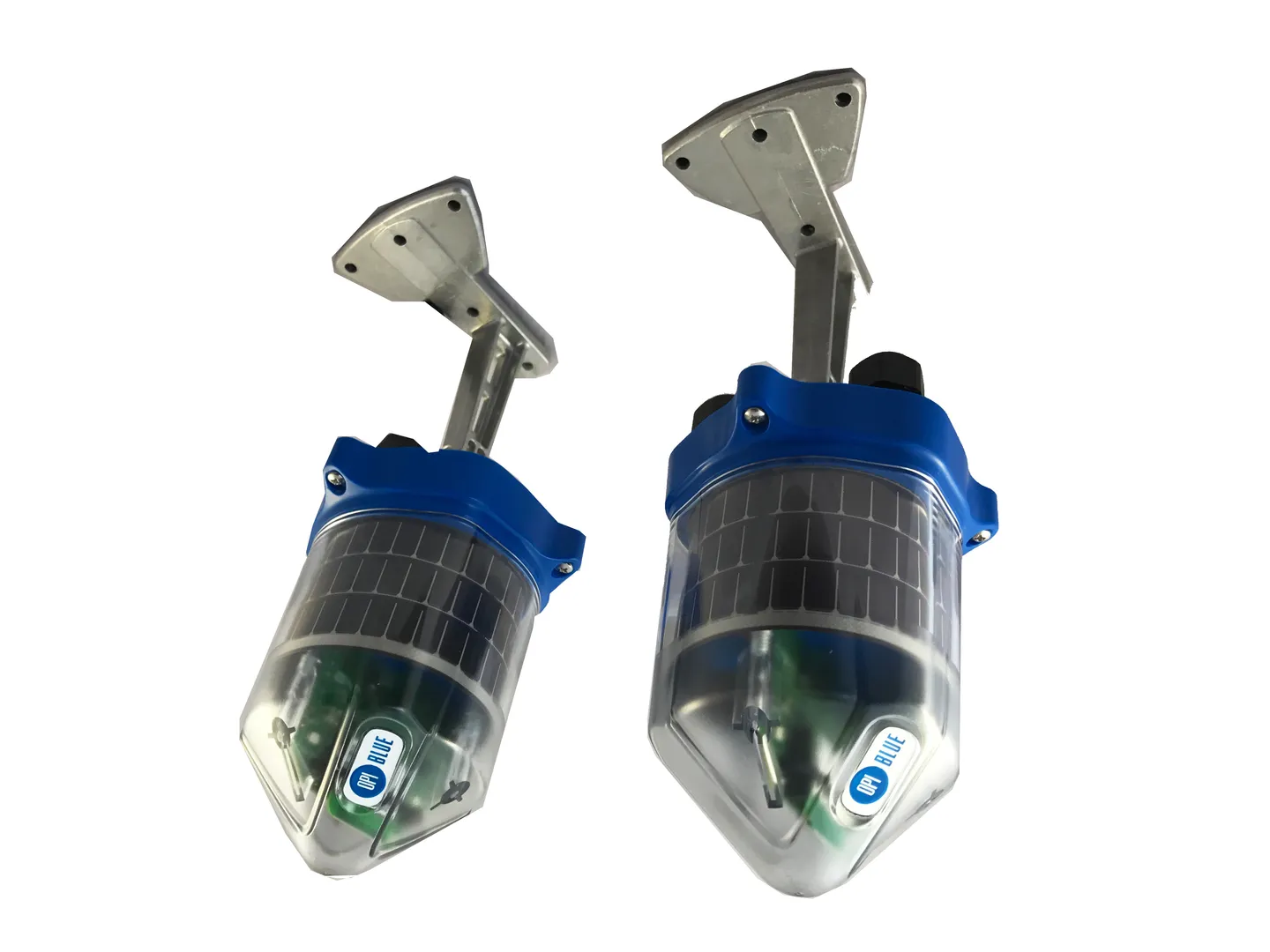
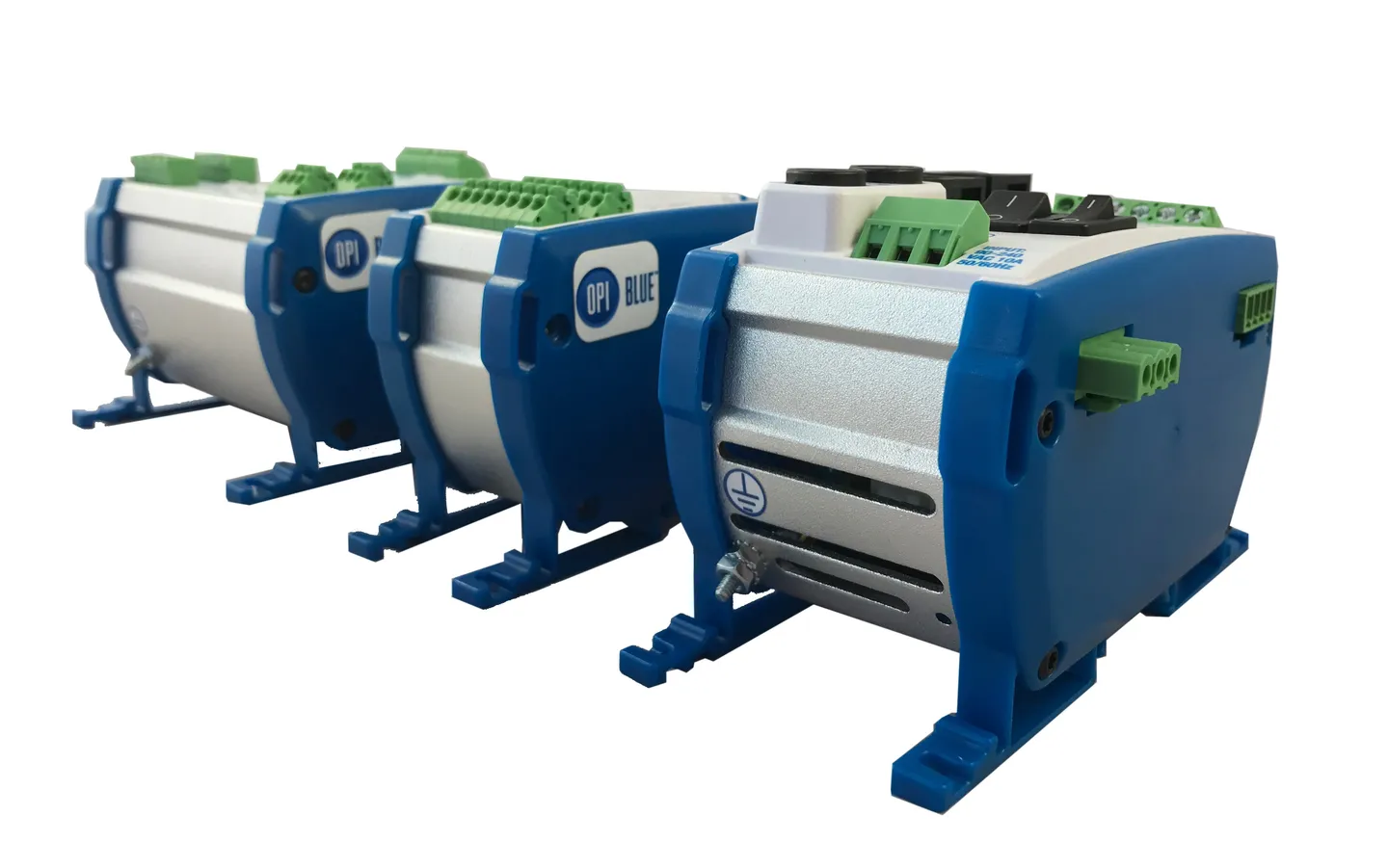
OPI Blue Node electronics assembly engineered by Creative Coefficient
OPI Blue — electronics packaging
Discipline
Mechanical, electrical, systems
Typical entry point
Concept, or a stalled program
Electrical capability
Retained, integrated in-process
Output
Production-intent CAD and hardware

Engineering as a System

Mechanical and electrical development belong in the same room

Most hardware failures are not component failures. They are integration failures: a board that grew 4mm, a connector that cannot be reached, a mechanism that works until the tolerance stack runs the wrong way.

We develop mechanical and electrical architecture together, so PCB layout, controls, sensors, batteries, connectors, displays and internal packaging evolve as one product system rather than three parallel assumptions.

That coordination is also what makes design intent survive. Engineering is where a concept either becomes manufacturable hardware or quietly becomes a different product.

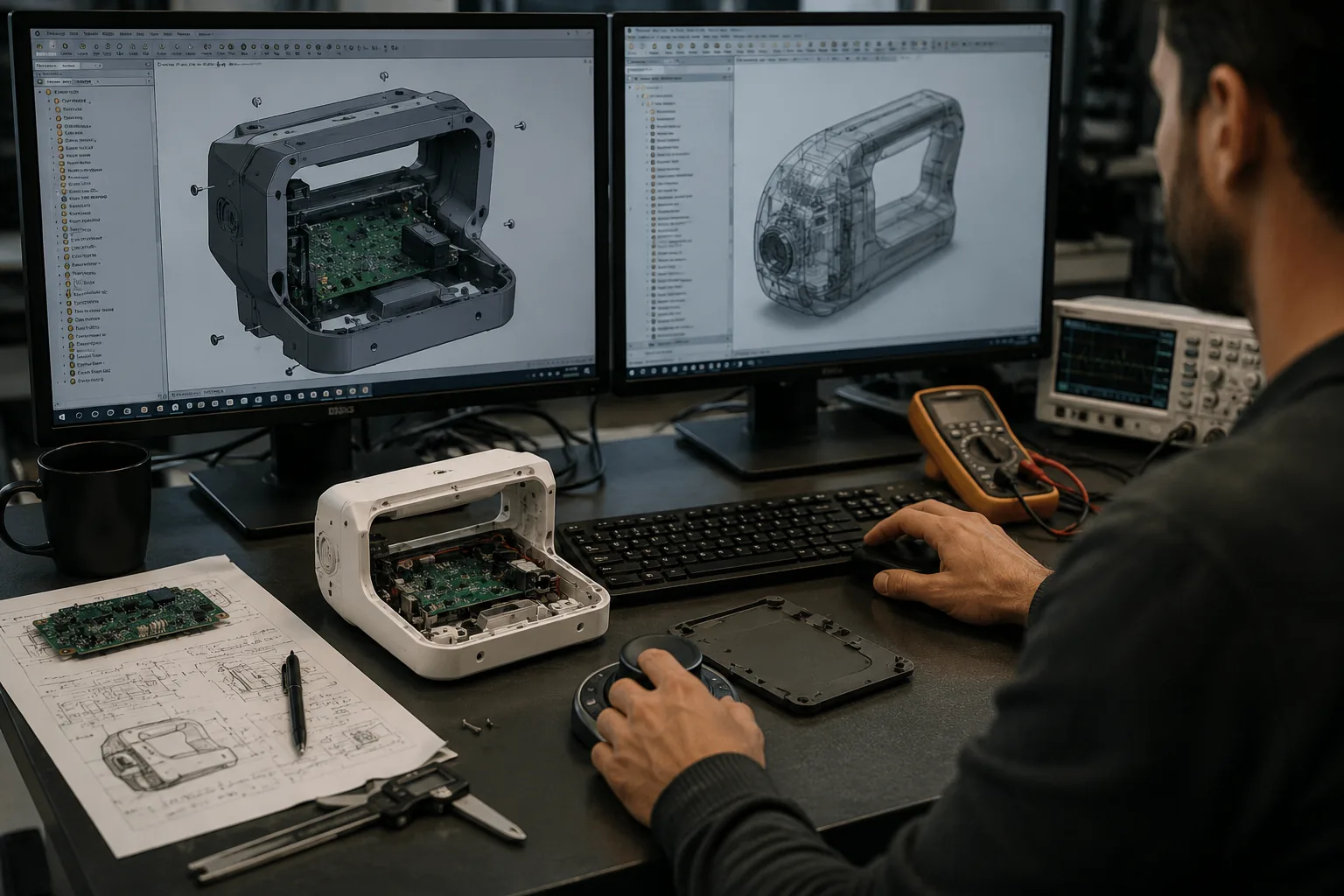
Engineer reviewing CAD and PCB layout on dual monitors beside a disassembled electronics enclosure
Mechanical and Electrical Development, Side by Side

What This Includes

Engineering scope, section by section

01

Product Architecture

The load-bearing decision. Internal layout, major assemblies, electronics packaging, structural strategy, user access and how the product is serviced.

  • Internal layout
  • Major assemblies
  • Electronics packaging
  • Structural systems
  • Assembly strategy
  • Serviceability

02

Mechanical Design

The parts themselves: enclosures, structure, brackets, mounting, internal supports, access panels and the interfaces between them.

  • Enclosures
  • Structural components
  • Brackets
  • Mounting systems
  • Internal supports
  • Access panels

03

Production CAD

Detailed 3D models developed to production geometry — supplier-ready, drawing-supported and traceable back to design intent.

  • Detailed 3D CAD
  • Component development
  • Production geometry
  • Supplier-ready CAD
  • Drawings
  • Prototype CAD

04

Mechanisms

Moving parts are where products earn or lose their reputation. We develop and prototype mechanisms until they behave the same on the thousandth cycle.

  • Hinges
  • Latches
  • Springs
  • Linkages
  • Adjustment systems
  • Sliding components

05

Materials & Processes

Material and process chosen together, against volume and performance — not defaulted to whatever the prototype was printed in.

  • Injection moulding
  • Die casting
  • Sheet metal
  • Machining
  • Elastomers
  • Extrusions
  • Additive
  • Fabrication

06

Component Integration

Commercial components carry their own constraints: tolerance, thermal behaviour, cable routing, service access. We integrate them as designed parts of the system.

  • PCBs
  • Sensors
  • Batteries
  • Displays
  • Motors
  • Switches
  • Connectors
  • Optical systems

07

Electrical & Electronics Engineering

We hold retained electrical engineering capability inside the development process. Mechanical and electrical development are coordinated together rather than sequenced.

  • Electrical architecture
  • PCB development
  • Component selection
  • Power management
  • Battery systems
  • Connectivity
  • Controls
  • Harnesses
  • Firmware coordination

08

Tolerance & Assembly Development

Fit and repeatability are engineered, not hoped for. Stack-up, assembly sequence, fasteners and interfaces developed for production consistency.

  • Fit
  • Repeatability
  • Tolerance stack-up
  • Assembly sequence
  • Fasteners
  • Interfaces

09

Technical Validation

Functional testing and prototype evaluation used to find risk while it is still cheap to act on.

Explore Product Prototyping
  • Functional testing
  • Prototype evaluation
  • Fit verification
  • Engineering iteration
  • Risk identification

10

Engineering Into Manufacturing

Engineering does not end at release. It transitions into DFM, tooling review and production support so the supplier builds what was designed.

Explore Design for Manufacturing
  • DFM
  • Tooling
  • Production documentation
  • Supplier review

In Process

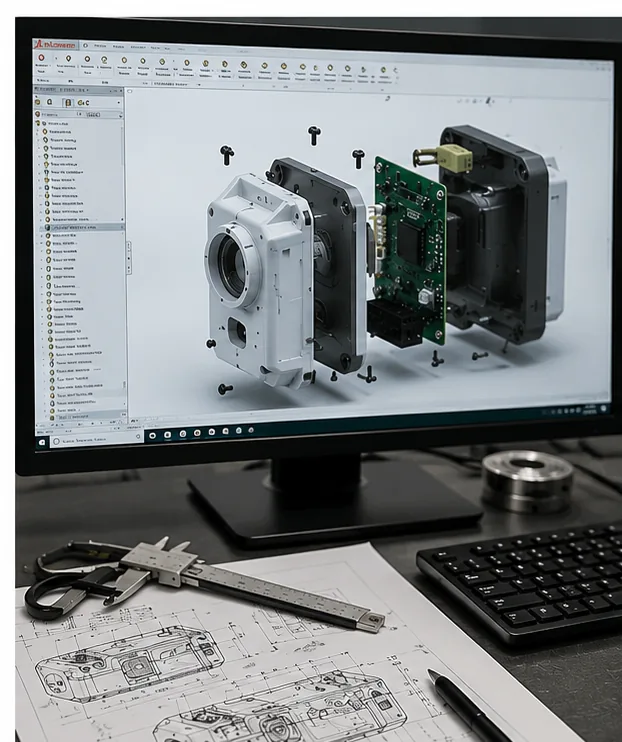
Exploded CAD assembly of a housing, PCB and connector on a workstation monitor
Production CAD
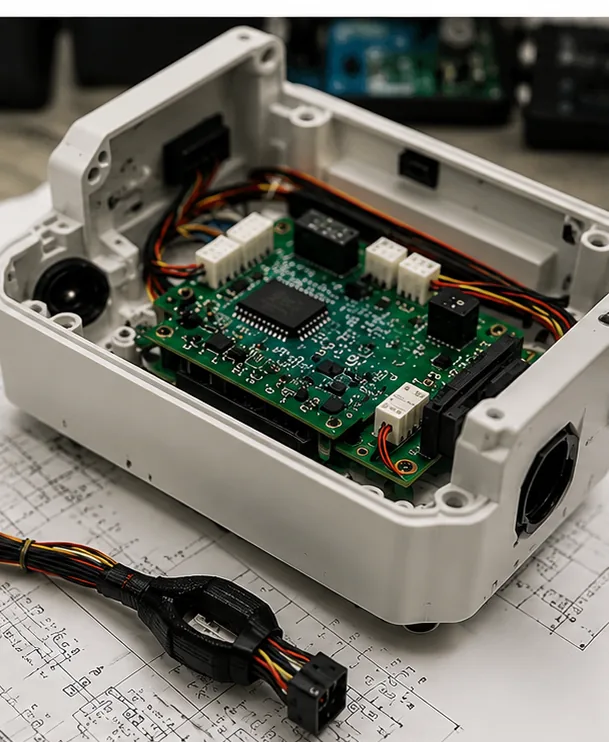
Populated PCB integrated inside an open enclosure with a wiring harness
Electronics Integration
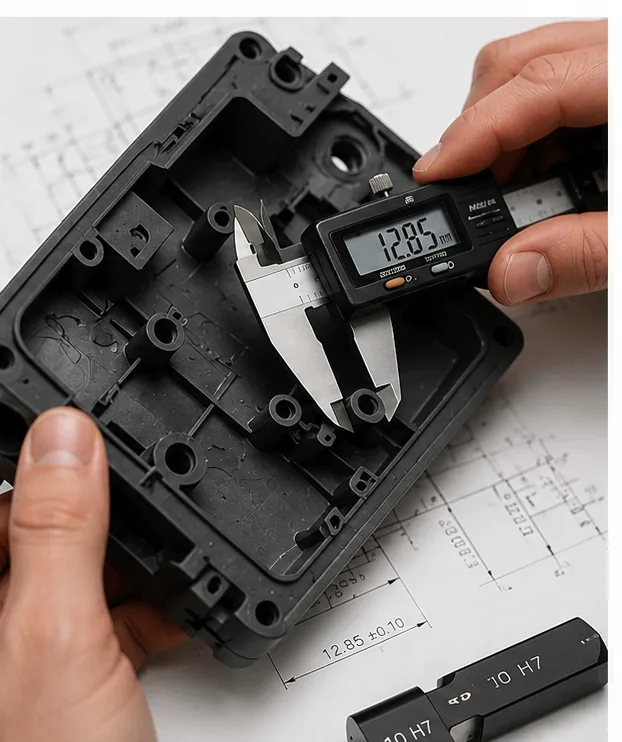
Digital calipers measuring a tolerance on a machined housing component
Tolerance & Fit Checks

Mechanical + Electrical, Coordinated Together

Mechanical and electrical development should happen together

We coordinate electrical engineering alongside industrial design and mechanical development, so the board and the box are designed for each other from the start.

Packaging in parallel

Board outline, connectors and thermal paths developed with the enclosure, not after it.

Power and battery

Cell selection, charging and runtime resolved against real internal volume.

Sensors and connectivity

Placement driven by performance and antenna reality as well as layout convenience.

Firmware coordination

We coordinate with firmware so hardware decisions are testable early.

Featured Projects

Engineering-led programs

OPI Blue-DIN engineered housing

Industrial Electronics

OPI Blue-DIN

Challenge
Dense electronics inside a strict DIN-rail envelope, with installation and manufacturability both fixed.
Our role
Electronics packaging, mechanical development and DFM within hard dimensional constraints.
Why it matters
The classic engineering problem: no spare volume, no tolerance to give away.
View the project
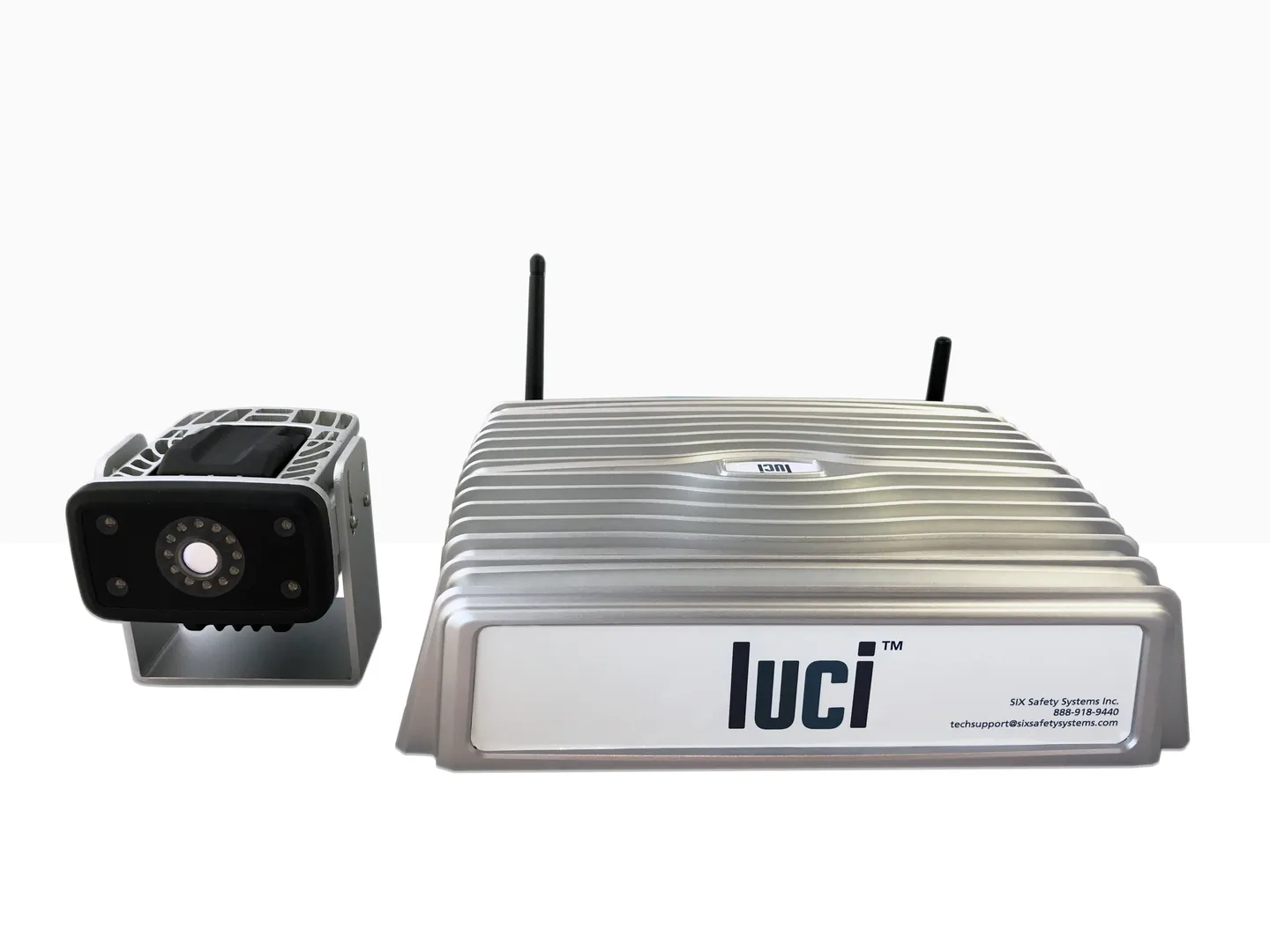
LUCI rugged industrial sensing product

Industrial Safety

LUCI

Challenge
Industrial sensing hardware that had to survive demanding environmental conditions and rough handling.
Our role
Rugged product development, sealing strategy, human factors and mechanical robustness.
Why it matters
Proves engineering for environmental and durability requirements, not just bench function.
View the project
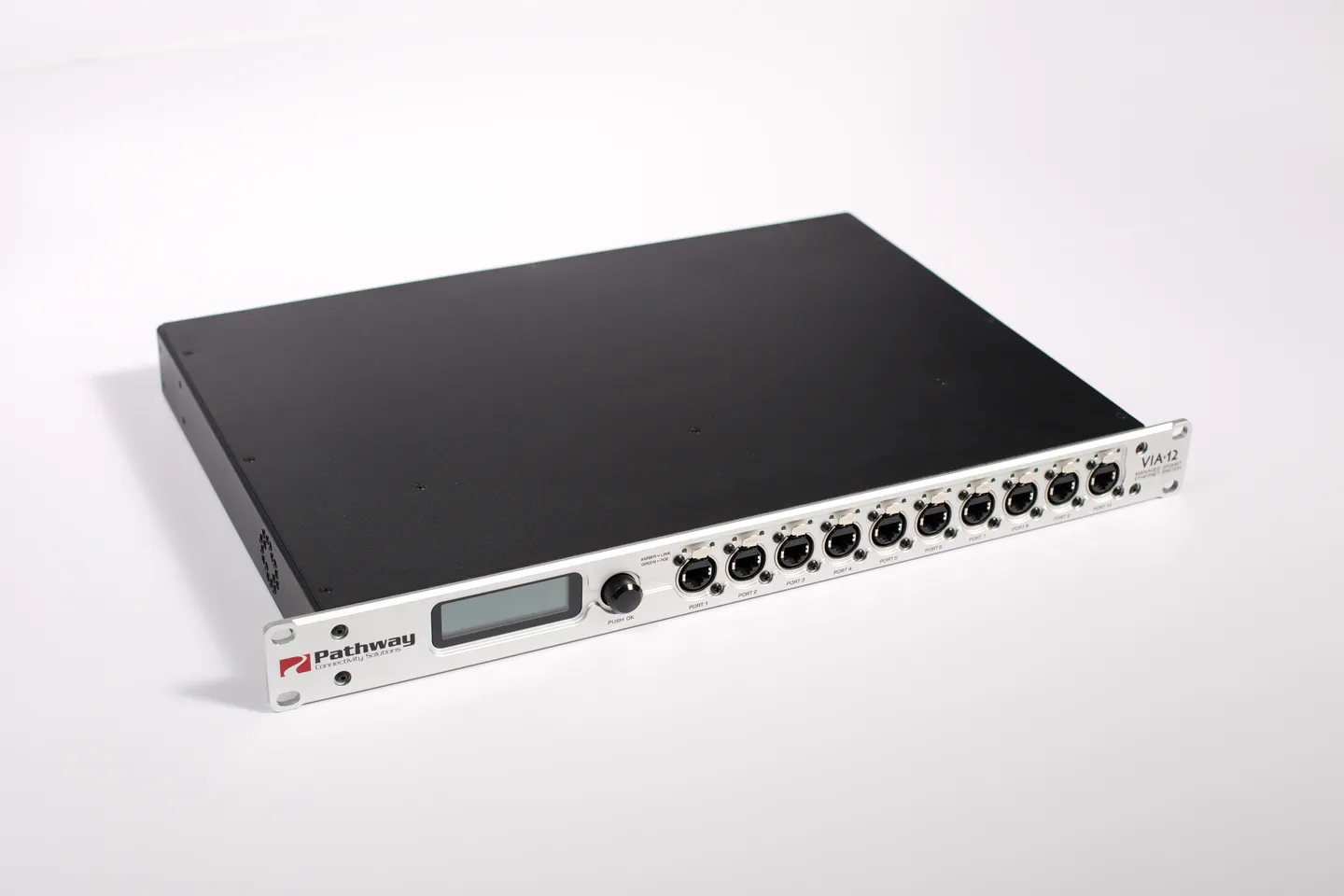
Pathway VIA-12 product

Commercial Technology

Pathway VIA-12

Challenge
A commercial technology platform needing consistent architecture across a family of configurations.
Our role
Product architecture, mechanical development and electronics integration.
Why it matters
Shows engineering repeated across a family rather than solved once.
View the project
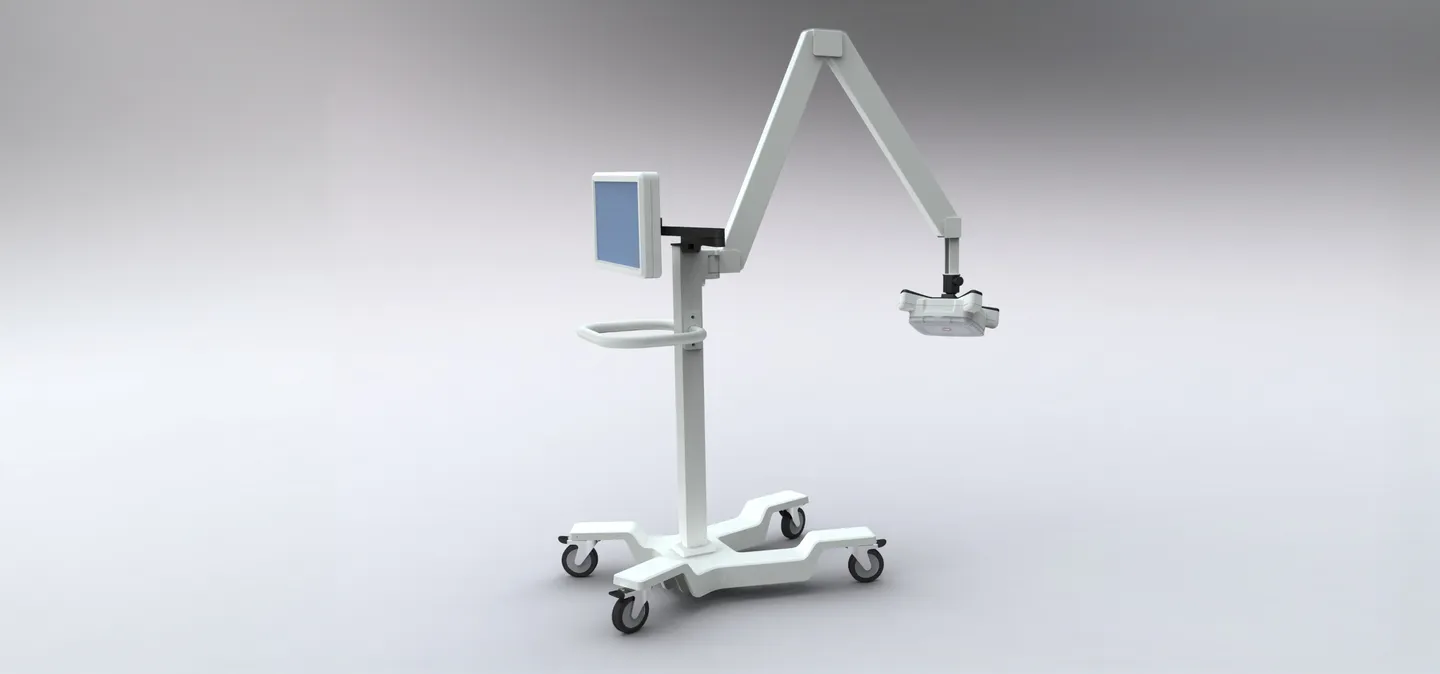
Snapshot NIR device engineering

Medical Device

Snapshot NIR

Challenge
Optical and imaging hardware integrated into a handheld clinical device.
Our role
Mechanical development and integration around a sensitive optical system.
Why it matters
Precision integration where alignment tolerance drives clinical performance.
View the project
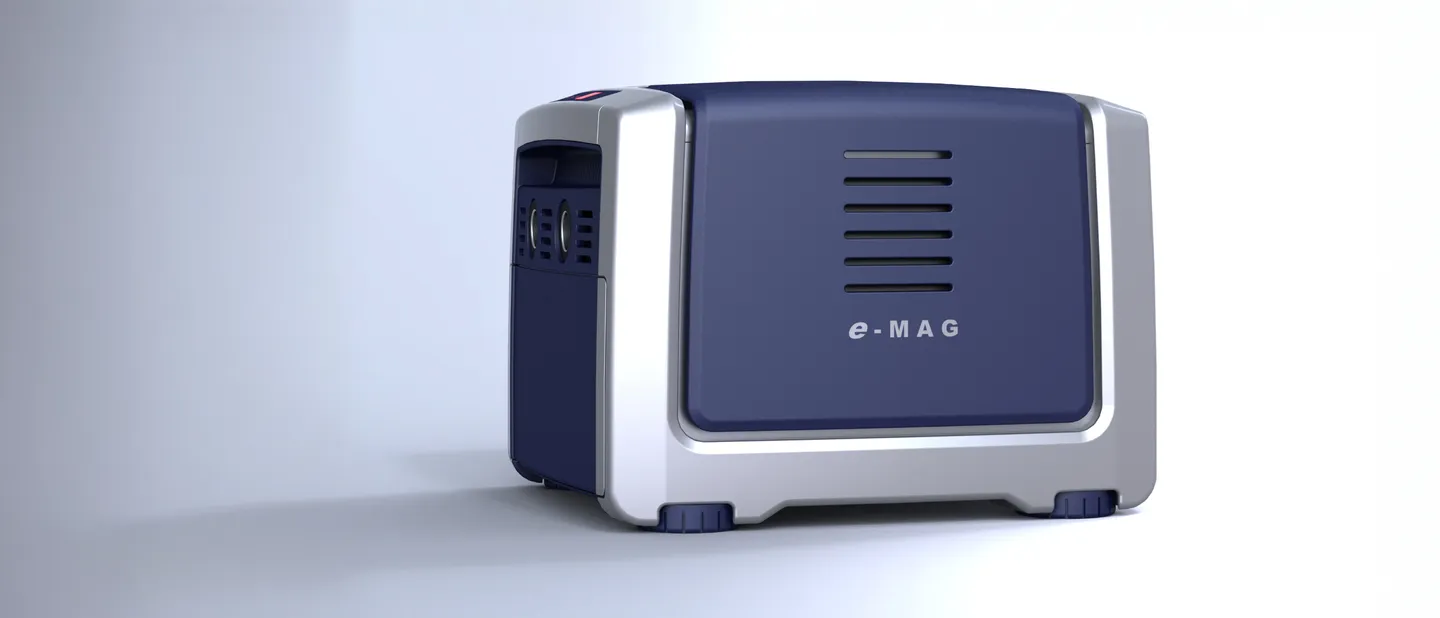
MagPower systems hardware

CleanTech / Energy

MagPower

Challenge
Energy hardware requiring structural and electrical development in one program.
Our role
Mechanical engineering and electrical coordination through production readiness.
Why it matters
Mechanical and electrical development running as a single coordinated effort.
View the project

FAQ

Engineering questions we are asked most

Do you have electrical engineering capability?

Yes — retained electrical engineering integrated into our development process, covering architecture, PCB development, power, sensors, connectivity and harnesses.

Can you take over a stalled program?

Yes. We frequently pick up work mid-development, starting with an honest assessment of what is resolved and what is not.

Do you produce supplier-ready CAD and drawings?

Yes. Production CAD, drawings, specifications and the documentation a supplier needs to quote and build.

Can you work with our internal engineers?

Yes. We commonly provide specialist capacity alongside an internal team rather than replacing it.

Do you handle firmware?

We coordinate firmware alongside hardware development rather than presenting it as an in-house software service.

How early do you consider manufacturing?

From architecture onward. Process and tooling assumptions are made explicit before geometry is detailed.

Tell Us What the Engineering Has to Solve.

Mechanisms, packaging, electronics integration, tolerances or a program that has stalled — we will scope it against what production actually requires.

Discuss Your Engineering Requirements