Industry / Medical

Medical Device Product Design

Complex technology has to become simple at the point of care.

Creative Coefficient helps medical technology companies turn clinical, diagnostic and sensing technologies into products clinicians can understand, trust and use confidently, from concept through prototyping, design for manufacturing and production support.

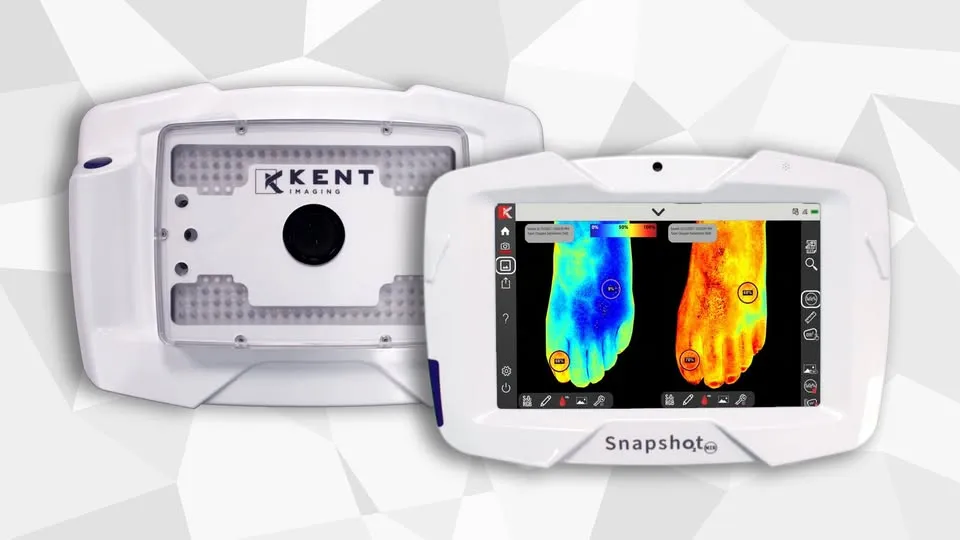
SnapshotNIR handheld near-infrared imaging device, medical product design by Creative Coefficient
Snapshot NIR · Kent Imaging
Product types
Handheld diagnostics, imaging, point-of-care, clinical environments
Scope
Research, industrial design, engineering, prototyping, DFM, manufacturing support
Clients
Medical startups, scale-ups and established device manufacturers
Studios
Calgary, Canada and Newcastle, Australia

The Problem

A Medical Device Has More Than One User to Satisfy

A clinician has to reach for it mid-procedure without thinking. A patient has to feel safe next to it. Biomedical engineering has to service it. Infection control has to be able to wipe it down hundreds of times without the graphics lifting or the seams trapping fluid.

Then there is everything inside: optics that need alignment, sensors that need a clear field, boards that need thermal headroom, batteries that need to be replaceable, and a housing that has to hold all of it to tolerance while surviving a drop from a gurney.

Medical product development is not consumer industrial design with a medical aesthetic. It is a set of competing requirements, resolved in a specific order, with the manufacturing consequences understood early rather than discovered at tooling.

Design Challenges We Solve

Six Things That Decide Whether the Device Works

01

Human factors and ergonomics

Grip, reach, weight distribution and one-handed operation studied with the actual clinical task in mind, including gloved hands and awkward positions at the bedside.

02

Advanced technology integration

Packaging optics, illumination, sensors, displays and boards into a housing that holds alignment, manages heat and still fits the hand it was designed for.

03

Cleaning and durability

Material and finish choices, seam placement, sealing and graphics that survive repeated disinfection rather than degrading over the first year in service.

04

Interface clarity

Controls, states and feedback that stay unambiguous under time pressure, so the device communicates what it is doing without the clinician stopping to interpret it.

05

Regulatory-aware design and engineering

We are not a regulatory consultancy. We design so that usability, materials, labelling and documentation decisions support your regulatory pathway instead of fighting it.

06

Design for manufacturing

Part consolidation, draft and tolerance strategy, fastening, assembly sequence and supplier fit, resolved with your production volumes in mind.

Areas of Expertise

Medical Product Design Capabilities

Diagnostic & imaging equipment

Handheld imaging systems where optical technology, sensors and displays have to coexist with a clinically readable result.

  • Handheld imaging
  • Optical integration
  • Sensors
  • Displays
  • Cable & accessory management

Point-of-care devices

Portable clinical systems that have to be picked up, set up and read correctly by someone who has thirty seconds to use them.

  • Handheld products
  • Clinician ergonomics
  • Fast setup
  • Clear feedback

Medical equipment & environments

Supporting equipment, clinical furniture and modular systems designed around the room, the workflow and the people waiting in it.

  • Supporting equipment
  • Clinical furniture
  • Modular systems
  • Workflow integration

Medical wellness products

Consumer-facing health and wellness hardware, kept deliberately distinct from regulated clinical devices in both design language and claims.

  • Light therapy
  • Portable wellness hardware
  • Retail-ready

How We Work

Concept Through Manufacturing, In That Order

STEP 01

Clinical context

Who uses it, where, under what pressure, and what the current workaround is.

STEP 02

Architecture

Internal layout, thermal and optical paths, service strategy, size and weight targets.

STEP 03

Industrial design

Form, interface, materials and finish resolved against the clinical task, not around it.

STEP 04

Prototyping

Appearance, ergonomic and functional prototypes that put the device in clinicians' hands early.

STEP 05

DFM & production

Tooling strategy, supplier collaboration and support through first production builds.

Relevant Projects

Medical Hardware We Have Taken to Market

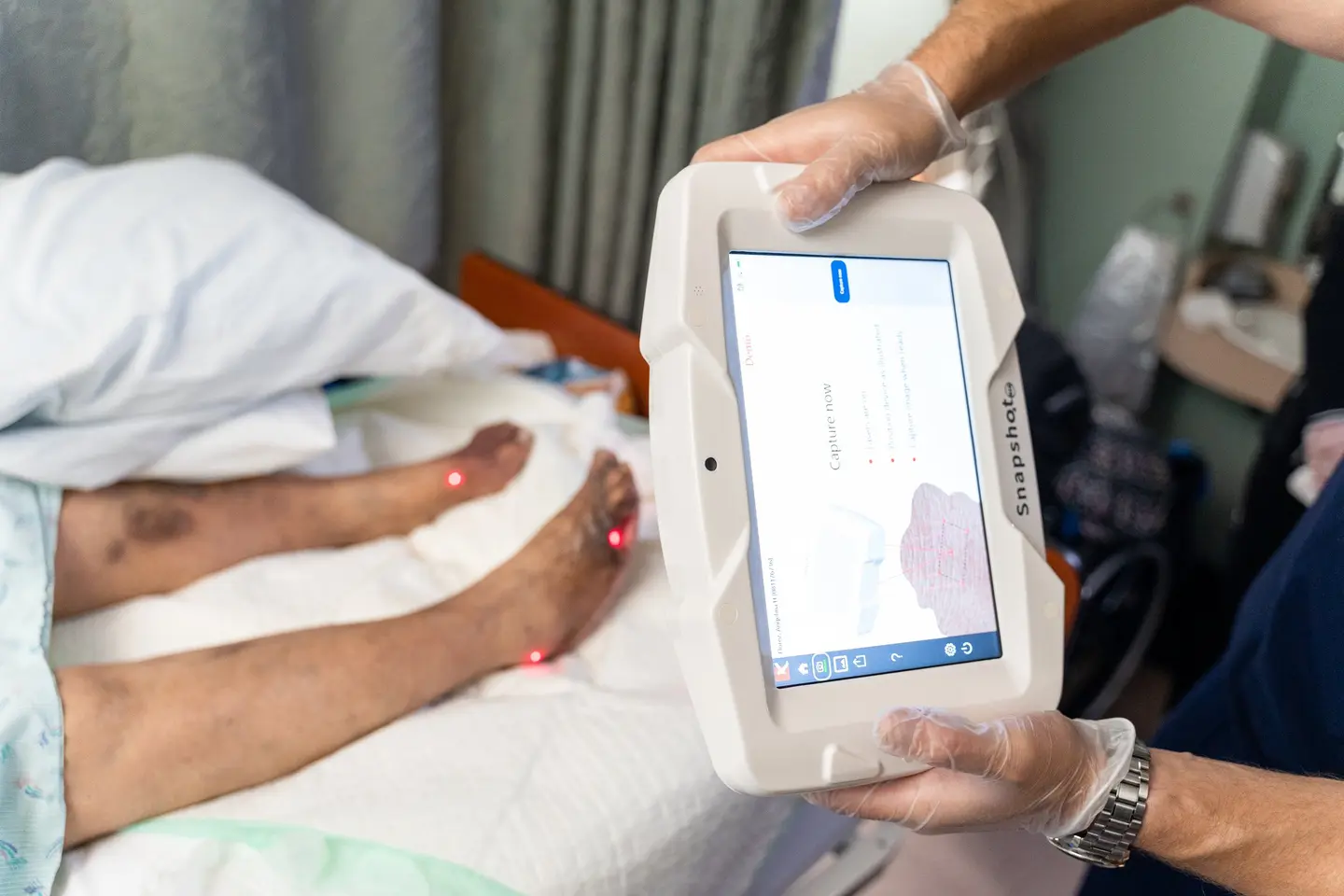
SnapshotNIR handheld near-infrared tissue imaging device for Kent Imaging

Kent Imaging · Diagnostic Imaging

Snapshot NIR

Challenge
Turn near-infrared imaging technology into a handheld clinical product that reads tissue oxygenation at the bedside and survives clinical cleaning.
Our role
Industrial design, human factors, technology packaging, prototyping, DFM and manufacturing support.
Why it matters
Demonstrates handheld clinical hardware, optical technology integration, cleaning durability, interface design and manufacturing readiness in one product.
Read the Snapshot NIR Case Study
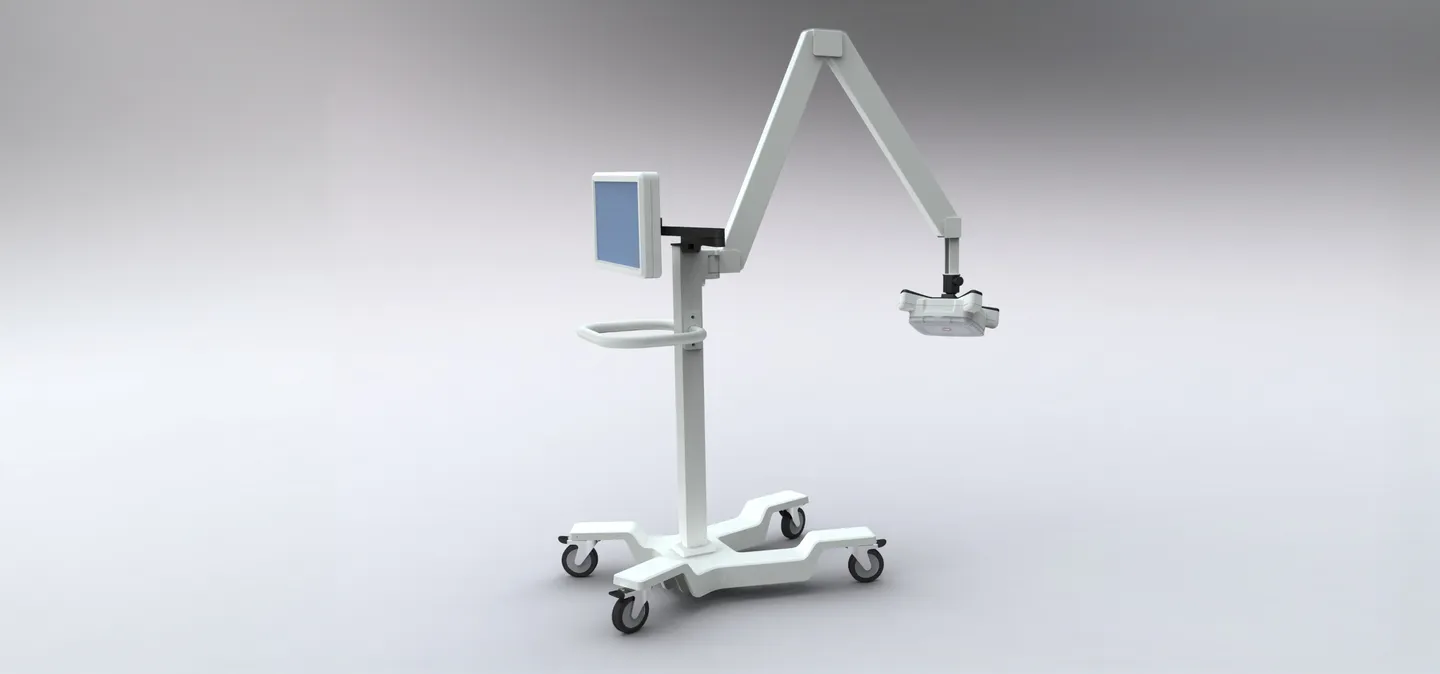
Snapshot OR near-infrared imaging system for the operating room, Kent Imaging

Kent Imaging · Surgical Imaging

Snapshot OR

Challenge
Extend an established imaging technology into the operating room, where sterile fields, positioning and equipment density all change the requirements.
Our role
Industrial design, product architecture and design for manufacturing alongside the client's engineering team.
Why it matters
Shows how one platform technology is adapted to a second clinical environment without restarting the product.
Read the Snapshot OR Case Study
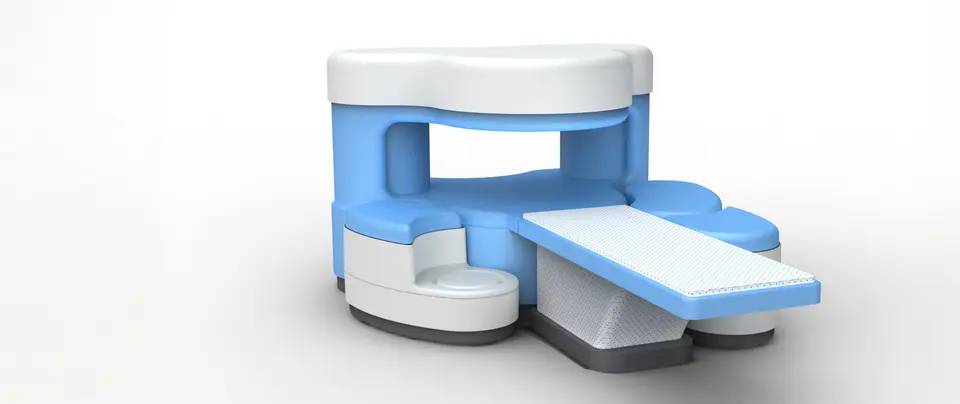
MRI Expansion modular seating and storage pods for MYK Systems

MYK Systems · Clinical Environment

MRI Expansion

Challenge
Design around the patient, the family and the clinical team in an imaging environment that is intimidating by default.
Our role
Industrial design of a modular system, materials strategy and manufacturing detail development.
Why it matters
Proof that our medical work extends past devices into the equipment and environments that shape clinical workflow.
View the MRI Expansion Project
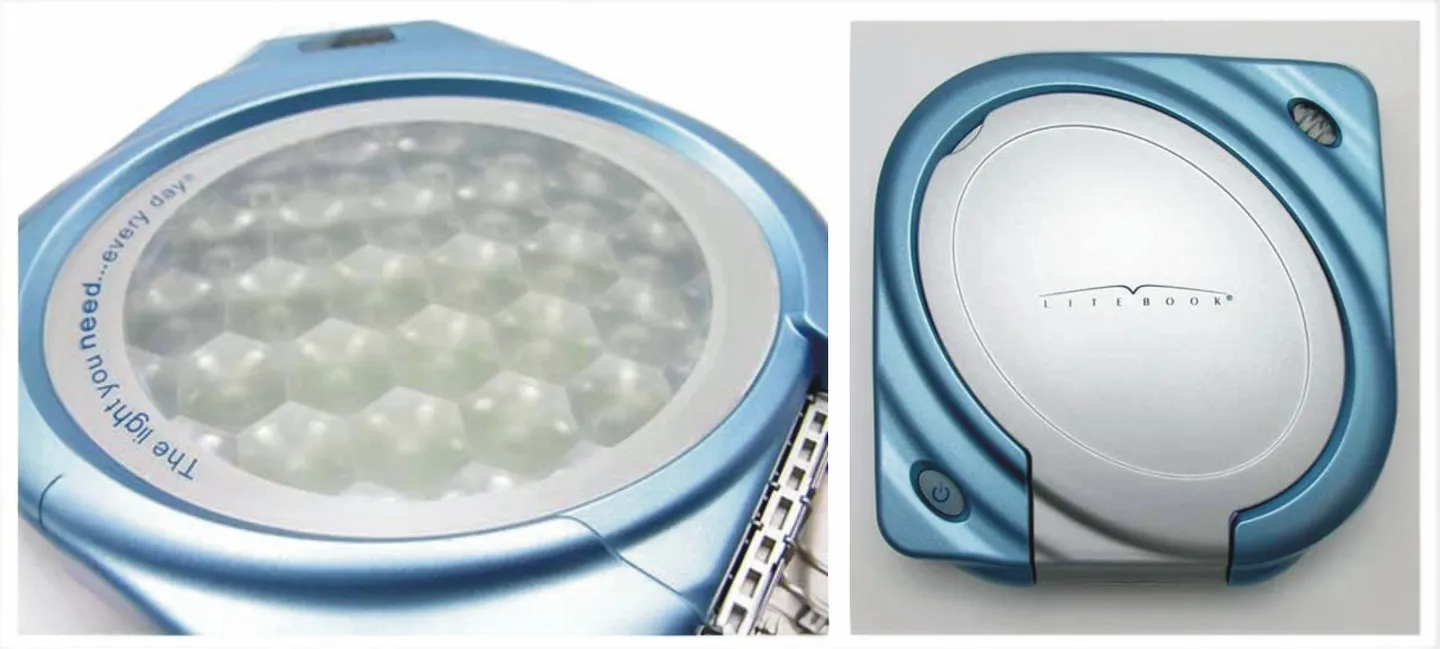
Litebook Elite portable light therapy device

Litebook · Wellness Hardware

Litebook

Challenge
Balance light output, usability and portability in a device people carry and use daily outside a clinical setting.
Our role
Industrial design, thermal and optical packaging, and design for volume manufacture.
Why it matters
Shows the wellness end of the portfolio, where clarity and cost discipline matter as much as performance.
View the Litebook Project

FAQ

Medical Device Design Questions We Are Asked First

When should industrial design begin in medical device development?

As soon as the core technology is proven enough to have a shape. Bringing design in while the internal architecture is still movable is what keeps the device from being a housing wrapped around a breadboard.

Can you work with our existing medical engineering team?

Yes. Most of our medical work runs alongside an in-house electrical, optical or software team. We take the industrial design and mechanical packaging and stay in their review cycle.

Can you design around existing electronics or optical technology?

Yes, that is the common case. We start from the board stack, optical path and thermal requirements and design the product around what has to be there.

How do you approach clinician usability?

By observing the task, not just the device: where it lives between uses, what the clinician is holding in the other hand, and what has to be readable without stopping.

Can you help develop medical device prototypes?

Yes. Appearance models, ergonomic mock-ups and functional prototypes, specified so that what you learn from them actually transfers to the production design.

Do you support design for manufacturing?

Yes. DFM is part of how we design, not a phase bolted on at the end, and we stay involved through tooling and first builds.

Can you work within existing regulatory requirements?

We design in a regulatory-aware way and work to the requirements your regulatory lead sets. We do not provide regulatory submissions or certification services ourselves.

Can you work under NDA?

Yes, routinely. A number of our medical and industrial programs are not public at all, and we are happy to sign before the first conversation.

Do you work with medical startups?

Yes. Early-stage medical companies are a large part of our work, usually between a working proof of concept and a device that can be shown to clinicians and investors.

Can you support established medical device manufacturers?

Yes. Line extensions, next-generation redesigns, cost reduction and added capacity on programs your team is already running.

Let's Talk About Your Medical Device

Bring us the technology, the clinical problem or the device that is not quite manufacturable yet. We will tell you what we would do first and what it would take.

Book a Discovery Call