Product Development for Scale-Ups
Product Development for Growing Hardware Companies
Take a proven product to the next stage: cheaper to build, faster to assemble, ready for the volumes you are now selling.
You have already done the hard part of proving demand. What got you here was a design that worked. What gets you to the next order size is a design that manufactures — with a bill of materials, an assembly sequence and a supply chain that hold at ten or a hundred times the volume.
- Cost and cycle-time reduction on designs that already exist
- BOM & assemblyCost and cycle-time reduction on designs that already exist
- DFM, tooling support and pilot production
- Prototype → VolumeDFM, tooling support and pilot production
- Consumer products we designed for high-volume retail
- Millions of unitsConsumer products we designed for high-volume retail
Where You Are Right Now
The Product Works. Now It Has to Scale.
These are the symptoms that bring growing hardware companies to us. Most of them trace back to the same root cause: a design that was optimised to prove the idea, not to be built repeatedly.
01
It's expensive to build
The design that proved the idea was never costed for volume. Unit cost is eating the margin you need to grow.
02
Assembly takes too long
Too many parts, too many fasteners, too much operator judgement. Labour cost scales with every unit.
03
Reliability is inconsistent
Units behave differently from each other. Usually a tolerance, material or process-control problem, not bad luck.
04
Suppliers are pushing back
Your factory says the geometry is hard to mould, machine or assemble. They are usually right, and it is fixable.
05
It still looks like a prototype
The product works but does not look like it belongs beside the competition it is now priced against.
06
The architecture won't extend
You want variants or a second model, and the current design cannot share parts, tooling or a design language.
07
Volume is climbing
What worked at hundreds breaks at tens of thousands: tooling, QA, packaging and supplier capability all shift.
08
Engineering is overloaded
Your internal team is holding up production and cannot also run a redesign. We add capacity without a hire.
The Work
What Actually Takes Cost and Risk Out of a Product
Scaling is not a single decision. It is a set of engineering moves, each with a measurable effect on unit cost, cycle time or warranty rate.
Design for manufacturing and assembly
Draft, wall sections, radii, undercuts, fastening strategy and assembly sequence. DFM is not a review at the end; it is a set of choices that determine whether your factory can hit quality at rate without heroics.
Part consolidation and BOM reduction
Every part carries a price, a supplier, a tolerance, an inspection and a chance to be missing. Consolidating parts and eliminating fasteners usually takes more cost out of a product than negotiating harder on material.
Choosing the right process for your volume
The process that was correct at 500 units is rarely correct at 50,000. Moving from machined to moulded, or from urethane to injection tooling, changes unit cost, lead time and capital commitment — and the geometry has to be redesigned for it.
Value engineering without cheapening the product
Cost reduction is easy to do badly. We protect the touchpoints and finishes that customers actually judge, and take cost out of the places they never see.
Product architecture for variants and families
If a second model is coming, the architecture should be planned once. Shared platforms, common tooling and a consistent design language across a range are far cheaper to design in than to retrofit.
Reliability and serviceability
At scale, field failures and service costs stop being anecdotes and become a line item. Sealing, wear surfaces, connector strategy and access for repair all belong in the production redesign.
Supplier transition and dual sourcing
Moving or adding a manufacturer is a documentation problem as much as a relationship one. Production CAD, drawings, tolerances and acceptance criteria have to be complete enough that a new factory can build to them.
Prototype to production transition
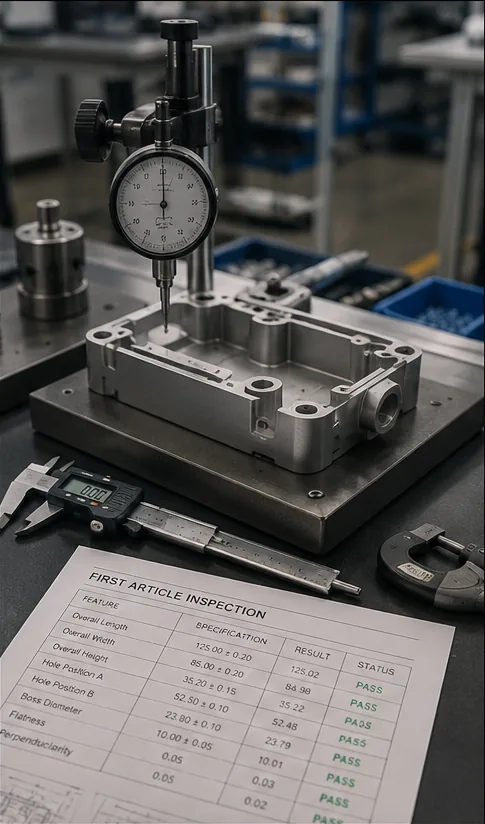
Pilot builds, first-article inspection and tooling adjustment are where a design meets reality. We stay through it, because that is when the decisions that protect quality get made.
How We Help
The Bridge Between Market Validation and Repeatable Production
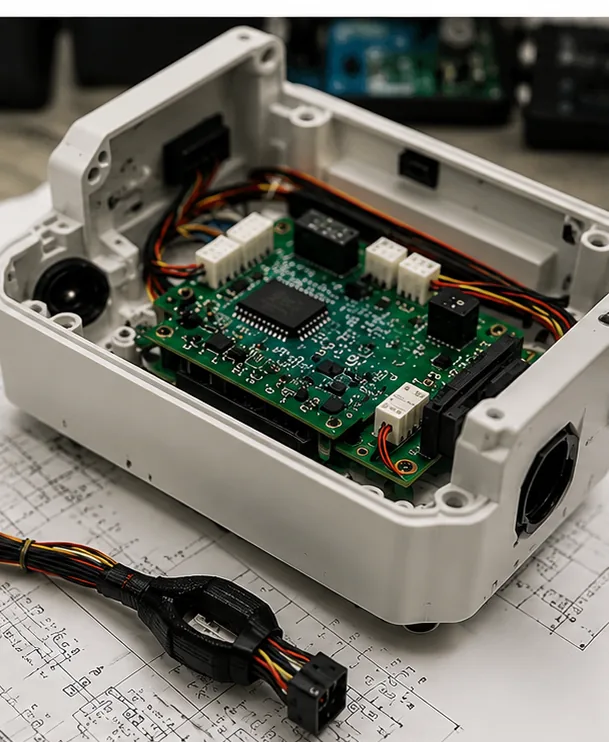
We come in on an existing design, not a blank page. That means reading your CAD, your BOM and your supplier feedback first, then telling you where the cost, the assembly time and the failure risk actually sit — before anyone redraws anything.
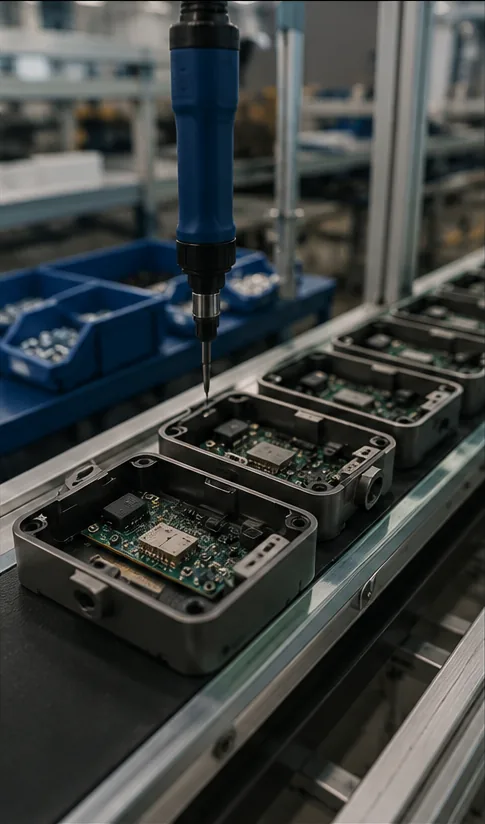
From there the work is targeted. Sometimes it is a full production redesign. More often it is a handful of decisive changes: consolidate these six parts into two, move that housing from machined to moulded, change this fastening strategy so assembly drops from eleven minutes to four.
In Process
A production program in three moves: read the existing design, change the geometry that costs you money, then hold the quality through the pilot run.
Send us the CAD and the supplier quote
A 30-minute call is usually enough for us to point at where the cost and the assembly time are hiding. No obligation, and you keep the read either way.
Proof
Featured Companies That We Have Helped Scale
Each of these had to survive contact with a factory, a cost target and a growing order book.
Medical
Kent Imaging
Snapshot NIR & OR
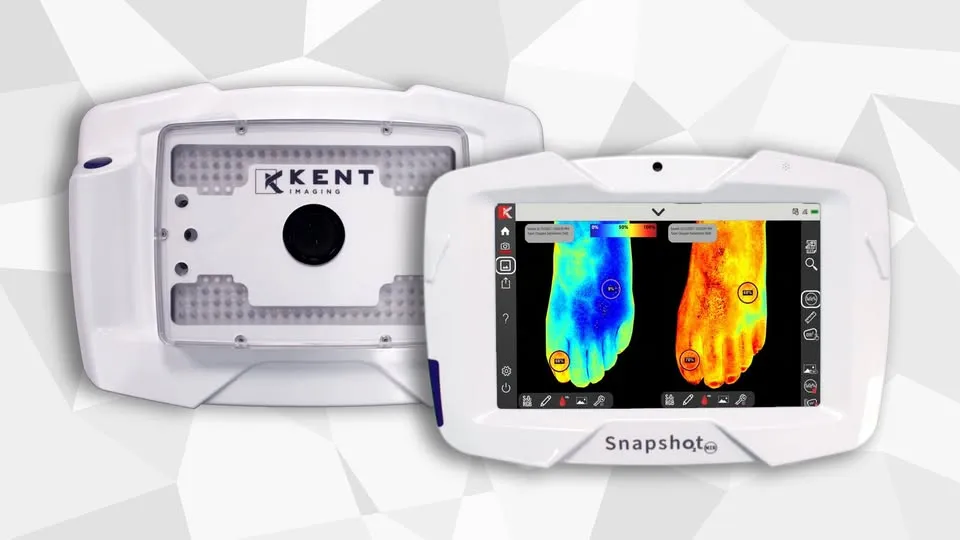
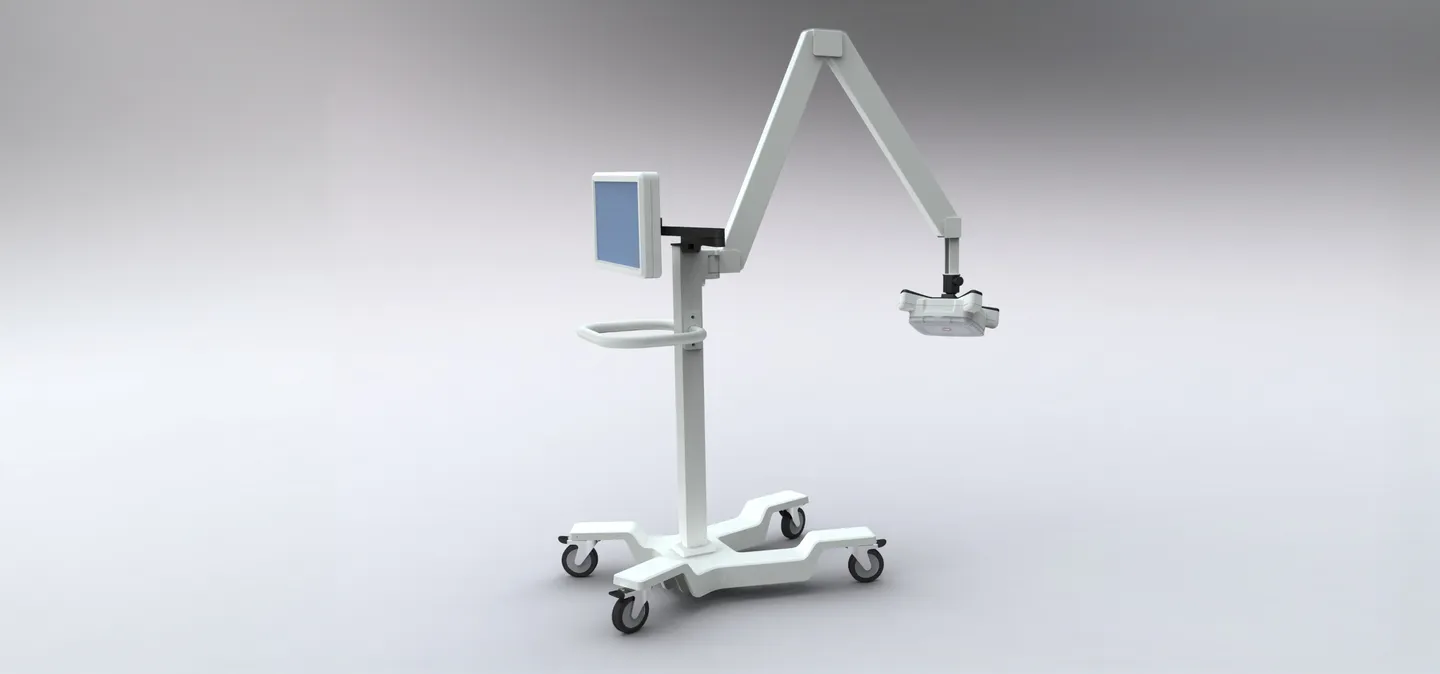
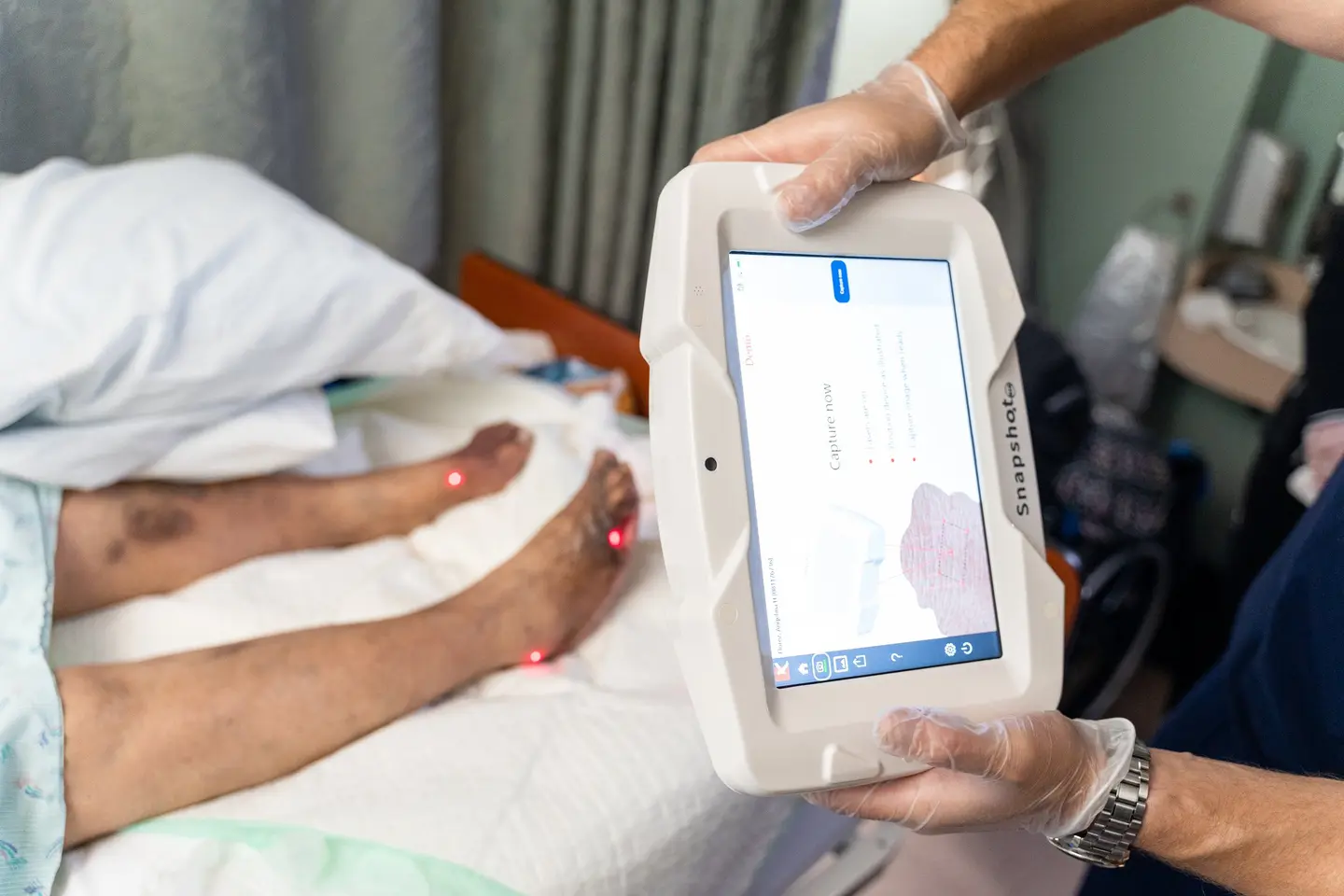
A handheld imaging device and its operating-room sibling: two products sharing a technology platform and design language while meeting the documentation and validation demands of a regulated market.
View Case Study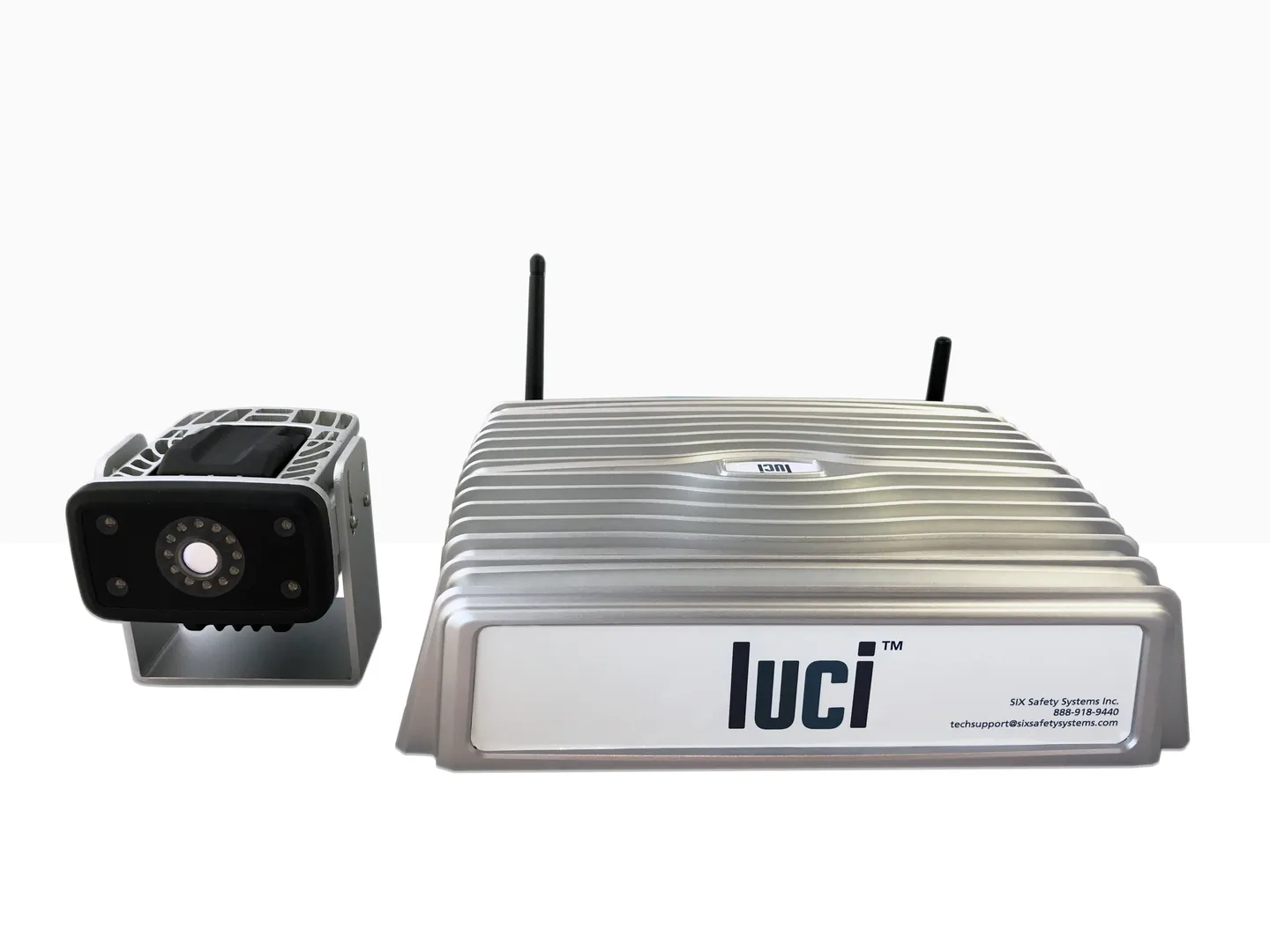
Industrial Safety
Six Safety Systems
LUCI
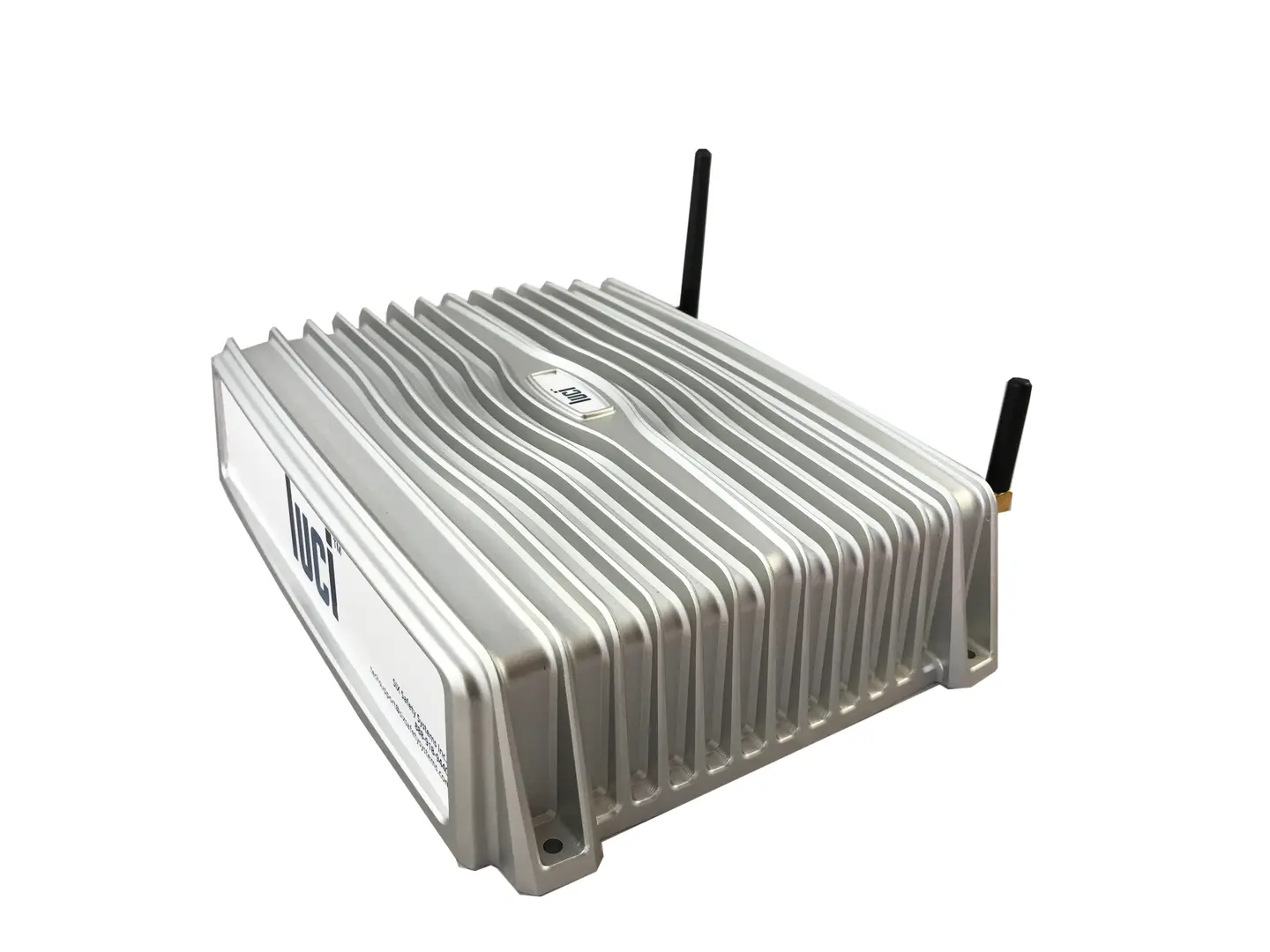
A safety device developed against industrial standards from the ground up, engineered to seal out contaminants and integrate into operator workflows rather than disrupt them. Compliance and manufacturability handled in the same program.
View Case StudyFAQ
Questions About Scaling a Product
Practical answers, including the cases where the honest answer is “don't.”
Can you redesign an existing product without starting from scratch?
Yes, and that is most of this work. We start by reading your CAD, BOM and supplier feedback to find where cost, assembly time and risk actually sit, then change only what needs changing. Sometimes that is six parts becoming two.
Can you reduce manufacturing cost?
Usually, though how much depends on how the product was originally designed. The reliable levers are part count, assembly time, process selection and material choice. We will tell you early if the remaining savings are small — a cost-reduction program that returns less than it costs is not worth running.
Can you work with our existing manufacturer?
Yes. We speak to factories in their terms, work from their process constraints and feed their DFM comments back into the design. Keeping a supplier who already knows your product is often worth more than the savings from switching.
Can you help transition a prototype into production?
Yes: production CAD, drawings and tolerances, DFM, supplier documentation, tooling support, pilot builds and first-article review. We stay through the pilot, because that is where the expensive surprises appear.
Can you improve an existing CAD package?
Yes. We can take over a model set, rebuild it to production standard where the geometry or the modelling practice will not support tooling, and hand back a package your factory and your internal team can both work from.
Can you support product variants or product families?
Yes. We plan shared architecture, common tooling and a design language that holds across a range, so the second and third models cost far less to develop than the first.
Can you work alongside our internal engineering team?
Yes, and often that is the arrangement. We can take a defined scope — the housing, the user interface, the DFM package — while your engineers keep the electronics, firmware and system architecture.
Can you help troubleshoot manufacturing problems?
Yes. Intermittent assembly issues, yield problems and field failures usually trace back to a design decision, a tolerance or a process assumption. We diagnose the cause rather than adding inspection to cover it.
Do you provide DFM reviews?
Yes, as a standalone piece of work as well as part of a larger program. A DFM review is often the cheapest way to find out whether your design is ready for the volume you are heading into.
Can you support pilot production?
Yes. Pilot run planning, on-tool adjustments, quality criteria and production refinement, working directly with your manufacturer.
Talk About Scaling Your Product
Bring your current design, your cost target and the problem your factory keeps raising. Thirty minutes with our design director, no obligation.
Book a Free Discovery Call