Industry / AgTech

AgTech Product Design & Development

Agricultural technology has to work where the real world gets messy.

Creative Coefficient designs agricultural hardware around the realities of the field: dust, heat, vibration, moisture, gloves, tight installations, remote sites and people who need equipment to work without explanation.

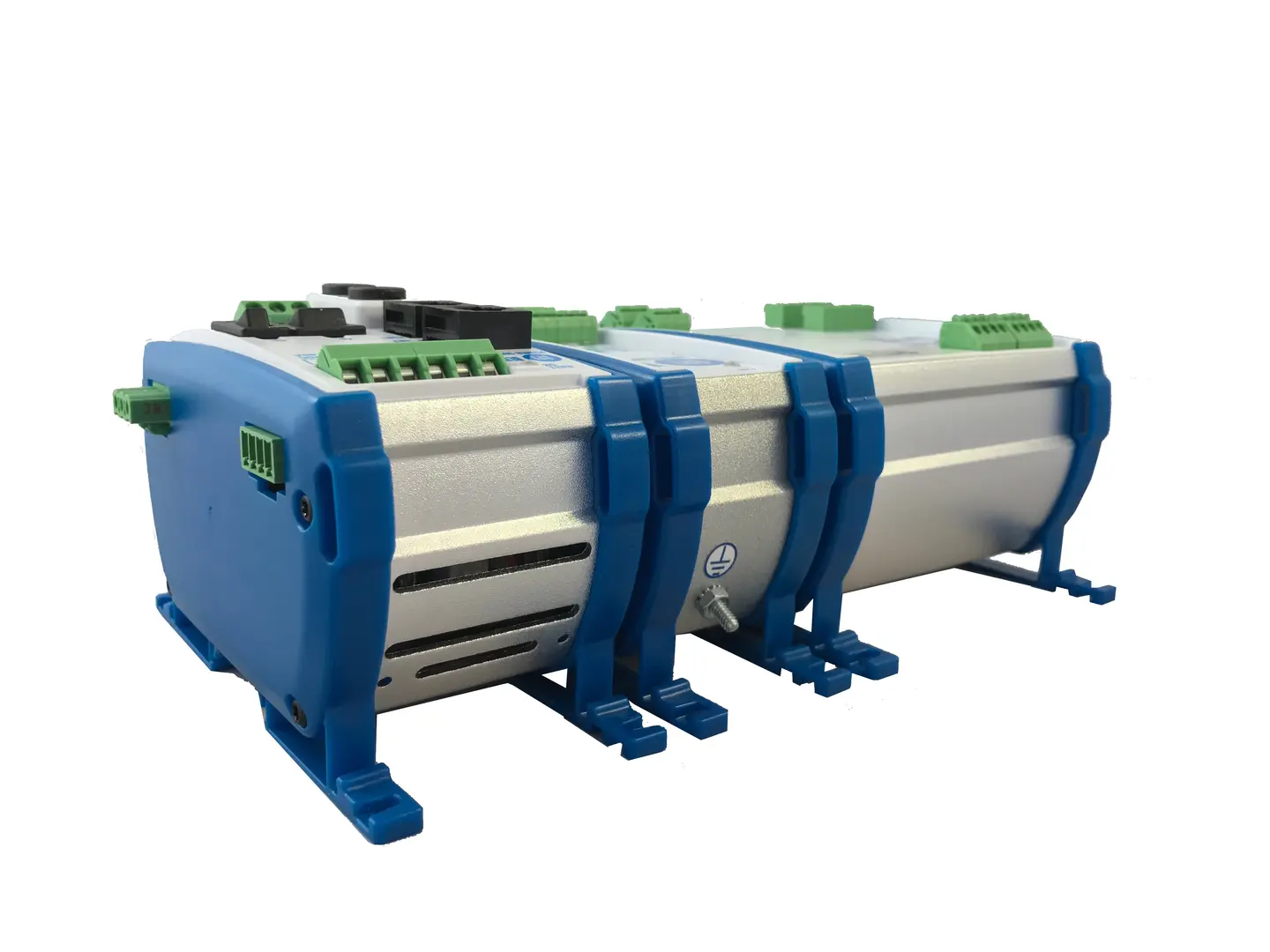
OPI Blue DIN-rail grain monitoring modules installed in a control enclosure
OPI Blue-DIN · OPI Systems
Product types
Grain monitoring, control equipment, sensors, gateways, rugged field electronics
Environments
Bin sites, sheds, retrofits, remote installations, unconditioned enclosures
Scope
Industrial design, product strategy, prototyping, DFM, manufacturing support
Studios
Calgary, Canada and Newcastle, Australia

The Problem

Agricultural Hardware Is Judged at Installation, Not in the Lab

The first real test of an AgTech product is an installer on a ladder in the wind, wearing gloves, holding a cable in one hand and trying to work out which terminal it goes into. If that moment is confusing, the product gets a reputation before it has monitored a single bin.

The second test is the next five seasons. Dust finds every gap. Temperature swings work fasteners loose. Rodents, moisture, UV and vibration remove anything that was only ever specified for a bench.

We design rugged agricultural monitoring hardware for exactly those two tests: the installation and the seasons after it. That means enclosure strategy, connector and labelling clarity, service access and a manufacturing plan that suits agricultural production volumes.

Key Design Challenges

Why AgTech Hardware Fails in the Field

01

Designed for the lab, not the field

Hardware validated on a clean bench meets grain dust, condensation and a 60°C enclosure and behaves differently. Field conditions belong in the requirements from day one.

02

Difficult installation

Mounting that needs three hands, terminals that cannot be reached with a driver, and labels that disappear in low light all become warranty calls and site revisits.

03

Poor enclosure strategy

Sealing, venting, gland placement and material choice decided late, then compromised to fit a board that was never laid out with an enclosure in mind.

04

Ambiguous connections and controls

If two ports look alike, they will eventually be swapped. Keying, colour, position and labelling should make the wrong connection physically awkward.

05

Architecture that cannot be serviced

A product that has to be fully removed to replace one module costs a farm a day. Field-replaceable units and honest diagnostics are design decisions.

06

Prototypes that do not translate to production

A machined field pilot proves the concept and hides the tooling problem. We plan the transition from pilot hardware to production parts before the pilot is built.

07

Technology that ignores how operators work

Harvest does not pause for a firmware update or a confusing status light. The hardware has to fit the operating rhythm of the season.

Areas of Expertise

AgTech Design Capabilities

Grain storage & monitoring

Monitoring and control hardware for grain storage, including retrofit into enclosures and sites that were never designed around it.

  • Grain monitoring
  • Control equipment
  • Sensor hardware
  • Retrofit environments

Connected agricultural hardware

IoT devices, gateways and remote monitoring hardware, with the electronics packaging and antenna placement resolved as part of the product, not after it.

  • IoT devices
  • Gateways
  • Remote monitoring
  • Electronics packaging

Rugged field electronics

Enclosures and internal architecture specified against dust, temperature, moisture, UV, vibration and impact over a long service life.

  • Dust & moisture
  • Temperature
  • UV & vibration
  • Long service life

Installer-centred design

The part most AgTech hardware gets wrong. We design the installation as a task: gloved hands, cable routing, mounting, labelling, low light and service access.

  • Gloved interaction
  • Cable routing
  • Mounting & labelling
  • Retrofit installation

Relevant Projects

Agricultural Hardware in Production

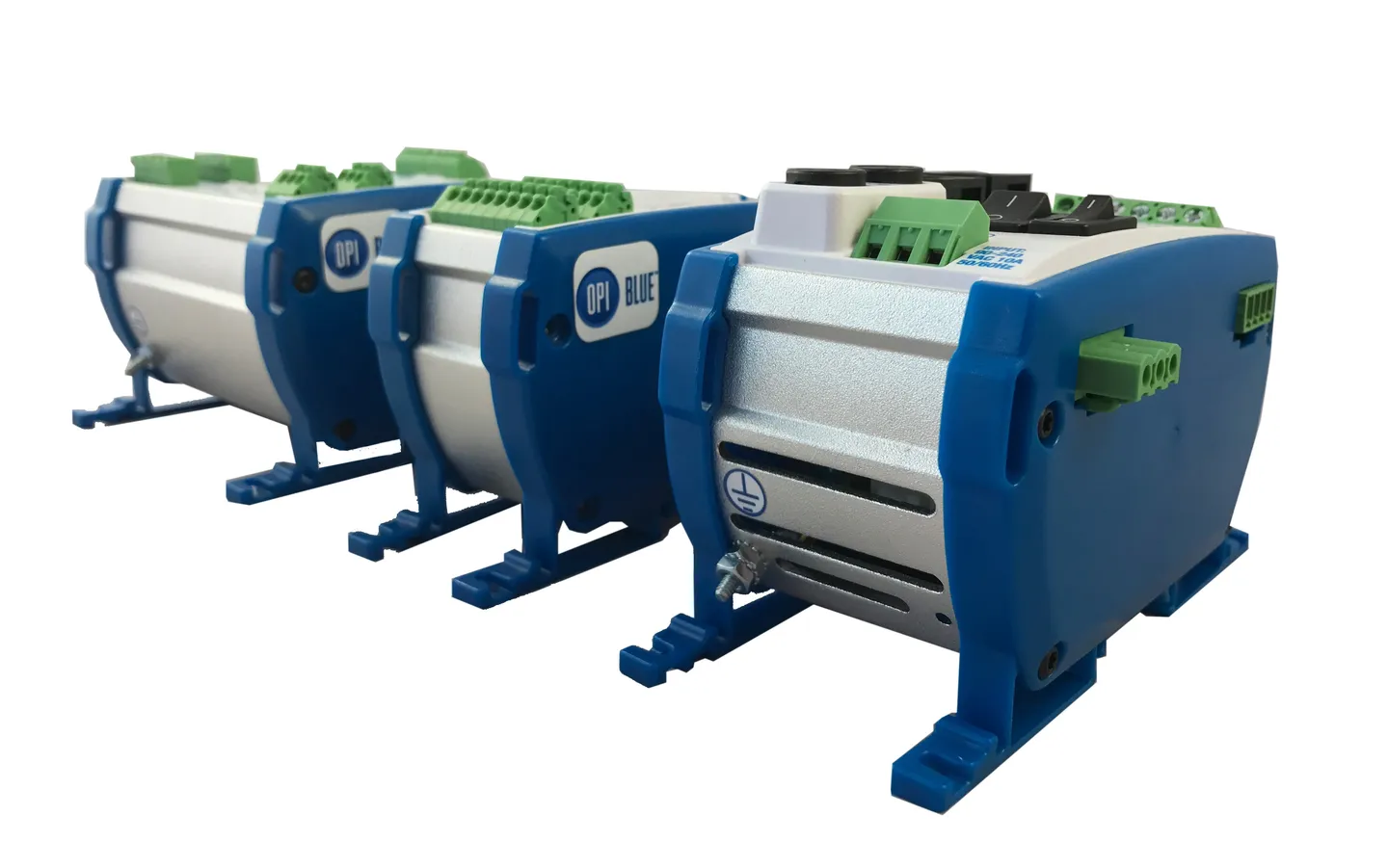
OPI Blue-DIN grain monitoring modules on a DIN rail

OPI Systems · Grain Monitoring

OPI Blue-DIN

Challenge
Fit sophisticated grain-monitoring electronics into a strict DIN-rail format that installers could confidently use in difficult field conditions.
Our role
Industrial design, product strategy, prototyping, DFM, engineering collaboration and manufacturing support.
Why it matters
Demonstrates experience designing rugged AgTech electronics around real installer behaviour, heat, dust, vibration and readability.
Read the Blue-DIN Case Study
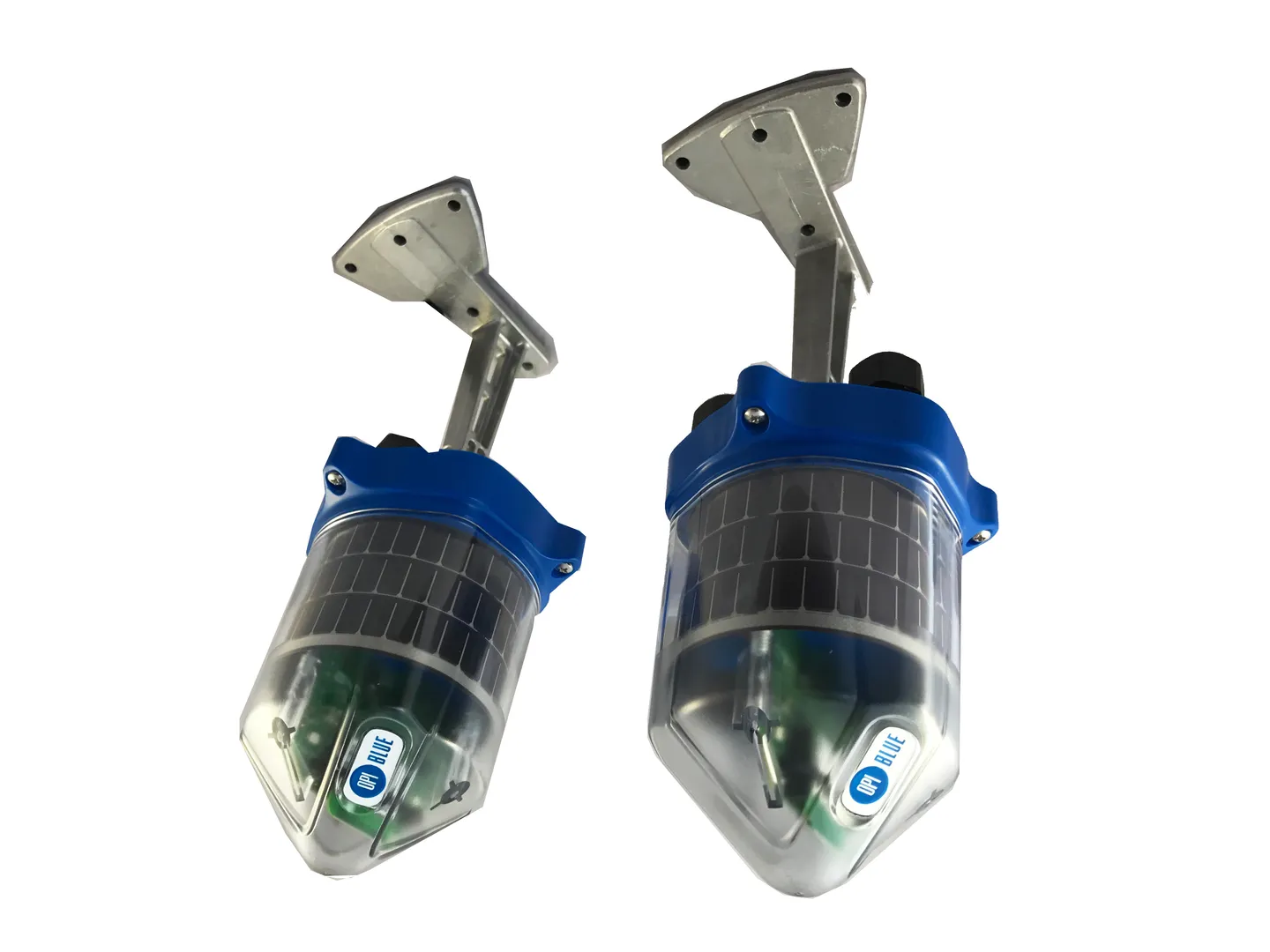
OPI Blue-Node connected grain monitoring unit

OPI Systems · Agricultural IoT

OPI Blue-Node

Challenge
Put connected monitoring hardware out at the bin, exposed to weather and handling, and keep it simple to mount and commission.
Our role
Industrial design, enclosure and mounting strategy, prototyping and design for manufacture.
Why it matters
Shows connected agricultural hardware designed for outdoor exposure and installation by the people who actually do it.
View the Blue-Node Project

FAQ

AgTech Hardware Questions We Are Asked First

What makes agricultural hardware different from consumer electronics?

Service life, environment and who touches it. Consumer products are replaced in three years; agricultural hardware is expected to keep working through a decade of dust, heat and vibration with occasional field service.

Can you design rugged outdoor electronics?

Yes. Sealed enclosures, gland and connector strategy, UV-stable materials, thermal paths and mounting designed for exposed sites are core AgTech work for us.

Can you work with existing sensing technology?

Yes. We usually start from sensing hardware that already works and design the product that carries it into the field.

Can you redesign an existing agricultural product?

Yes, and it is often the highest-return work: reducing install time, cutting part count and fixing the three things support calls are always about.

Can you support IoT hardware development?

Yes, on the hardware side: enclosure, antenna and board packaging, power and connector strategy, status indication and installation. We work with your firmware and connectivity team on the rest.

Can you design for installation with gloves or tools?

Yes. Gloved-hand clearances, tool access, one-handed mounting and legible labelling in poor light are explicit design requirements in our AgTech projects.

Can you help move a field prototype into production?

Yes. That transition — machined and printed parts to tooled production parts — is one of the most common reasons AgTech companies come to us.

Can you work with our existing electronics team?

Yes. Most of our AgTech work is done alongside an in-house or contract electronics team, with board outline and connector placement negotiated as we go.

Can you support low-volume industrial production?

Yes. We choose processes to match the volume — extrusion, off-tool standard enclosures, bridge tooling or full injection tooling — rather than assuming high volume.

Do you work with AgTech startups?

Yes, from first pilot hardware onwards, and we are happy to work under NDA before anything is public.

Let's Talk About Your AgTech Product

Whether it is a sensor that needs a home, a monitoring system that is hard to install, or a pilot that has to become a product, we will tell you what we would tackle first.

Book a Discovery Call