Product Development for Startups
Hardware Product Development for Startups
We take early ideas, new technologies and rough prototypes and turn them into products that can be engineered, tested, manufactured and sold.
You do not need a finished specification to start. Most founders come to us with a working principle, a sketch or a prototype that proves the idea but could never be manufactured. That is the normal starting point, and it is the one we are built for.
- One team from product definition through pilot production
- Idea → ToolingOne team from product definition through pilot production
- Developing physical products across seven industries
- 25+ yearsDeveloping physical products across seven industries
- North American and Asia-Pacific manufacturing perspective
- Calgary × NewcastleNorth American and Asia-Pacific manufacturing perspective
Where You Are Right Now
You Don't Need to Have Everything Figured Out
Hardware startups arrive at very different stages, and each one needs a different first move. Find the description that sounds like your company — the work we would start with is different in every case.
01
A napkin sketch
You have the insight and the market read, and nothing drawn. We start with product definition rather than styling.
02
A technology, not a product
The core invention works. What a user touches, carries, cleans and pays for does not exist yet.
03
A proof-of-concept
It works on the bench with a technician holding it. Turning that into something a stranger can use is a different project.
04
Early CAD from a contractor
Geometry exists but no one designed for assembly, tolerance or tooling. We can review before you build on it.
05
A prototype that can't be made
3D-printed one-offs with no path to a mould, a supplier or a unit cost. Very common, entirely fixable.
06
A fundraising deadline
You need something credible in front of investors: a resolved form, renders and an honest cost and schedule story.
07
No cost picture
You need feasibility, process options and a landed-cost range before committing the round to tooling.
08
No manufacturing partner
You need someone who has selected suppliers before, and who will speak to them in their language.
The Hard Part
Where Hardware Startups Usually Get Stuck
Hardware punishes decisions made in the wrong order. These are the failure points we see most often, and what we do about them.
Defining the product before the money goes out the door
Scope creep in hardware is not like software. Every added feature is a part, a tolerance, a supplier and possibly a tool. We fix the requirements set first — what it must do, for whom, at what cost — so engineering effort compounds instead of resetting.
Turning a technology into a product
Inventions rarely arrive product-shaped. The work is deciding what the user touches, what the housing has to protect, how the unit is powered and serviced, and how the core technology survives being carried, dropped and cleaned.
Designing an MVP that is physical
A minimum viable product still has to be safe, assemblable and repeatable. We define the smallest product that can be tooled and sold, which is rarely the smallest one that can be demoed.
Prototype strategy
Not every prototype should answer every question. Appearance models, functional rigs and pre-production units cost very different amounts and prove different things. We sequence them so each build answers the question actually blocking you.
Committing to materials, process and tooling
Injection moulding versus cast urethane versus sheet metal sets your unit cost, your minimum order quantity and your timeline. Made early against written volume assumptions it is a decision. Made late it is a redesign.
Avoiding the post-tooling redesign
The most expensive mistake in hardware is finding a fit, assembly or compliance problem after steel is cut. DFM reviews, tolerance stack-ups and pilot builds exist to move that discovery earlier, when it is cheap.
Protecting the concept while developing it
You have to disclose enough to get quotes without giving the design away. We work under NDA, advise on what to file and when, and manage what goes to which supplier.
Being taken seriously at low volume
First runs are small and factories know it. Complete, professional documentation and a partner who has placed work before is often the difference between a quote and silence.
How We Help
One Product Development Team From Idea to Manufacturing
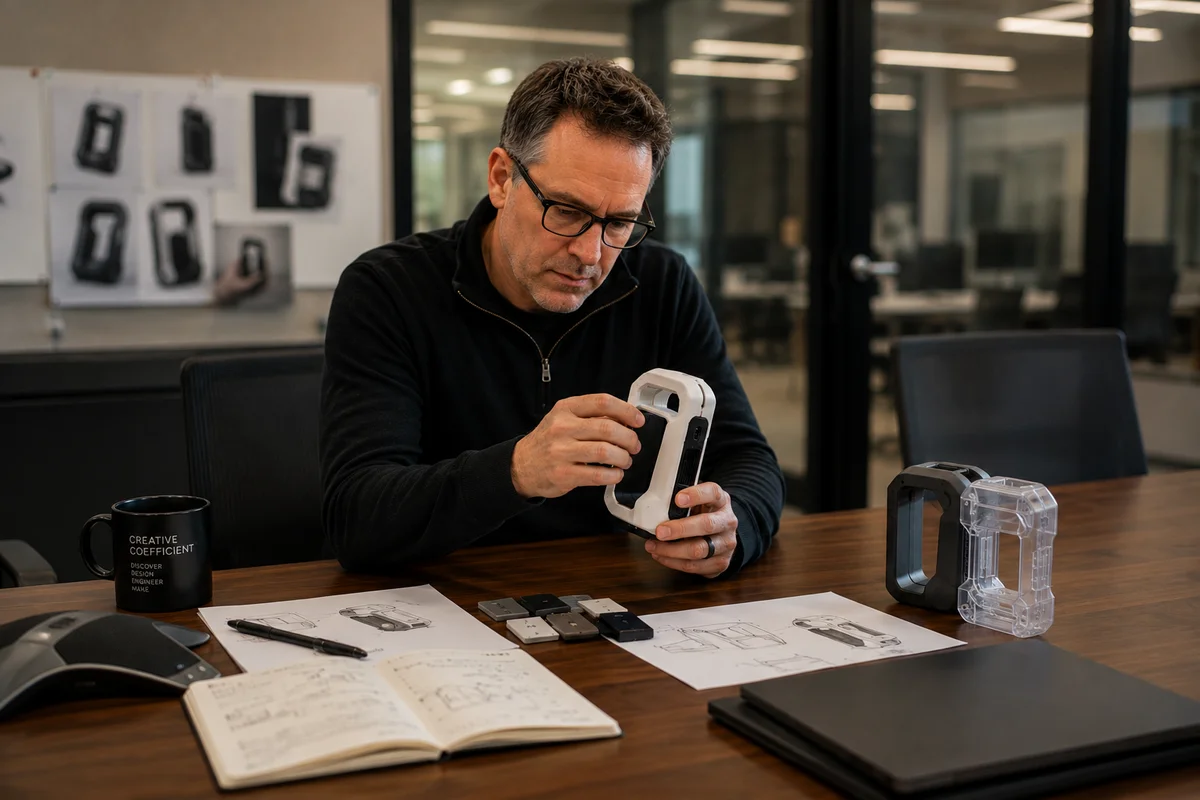
Industrial design, mechanical engineering and manufacturing support sit in one team, so nothing is thrown over a wall. You do not have to hire a design studio, then an engineering firm, then a sourcing consultant, and hope the handovers hold.
01
Discover
Decide what to build before spending on how to build it.
- Product definition
- User needs research
- Competitive review
- Technical feasibility
- Requirements set
- Development strategy
02
Design
Give the technology a form people want to hold and buy.
- Industrial design
- Concept exploration
- Ergonomics
- User interaction
- Colour, material, finish
- Product architecture
03
Engineer
Make it real, repeatable and manufacturable.
- Mechanical engineering
- Production CAD
- Component integration
- Prototype development
- Technical validation
- Design for manufacturing
04
Make
Get it built, at quality, by a supplier you can keep.
- Supplier identification
- Manufacturing liaison
- Production documentation
- Tooling support
- Pilot production
- Production refinement
In Process
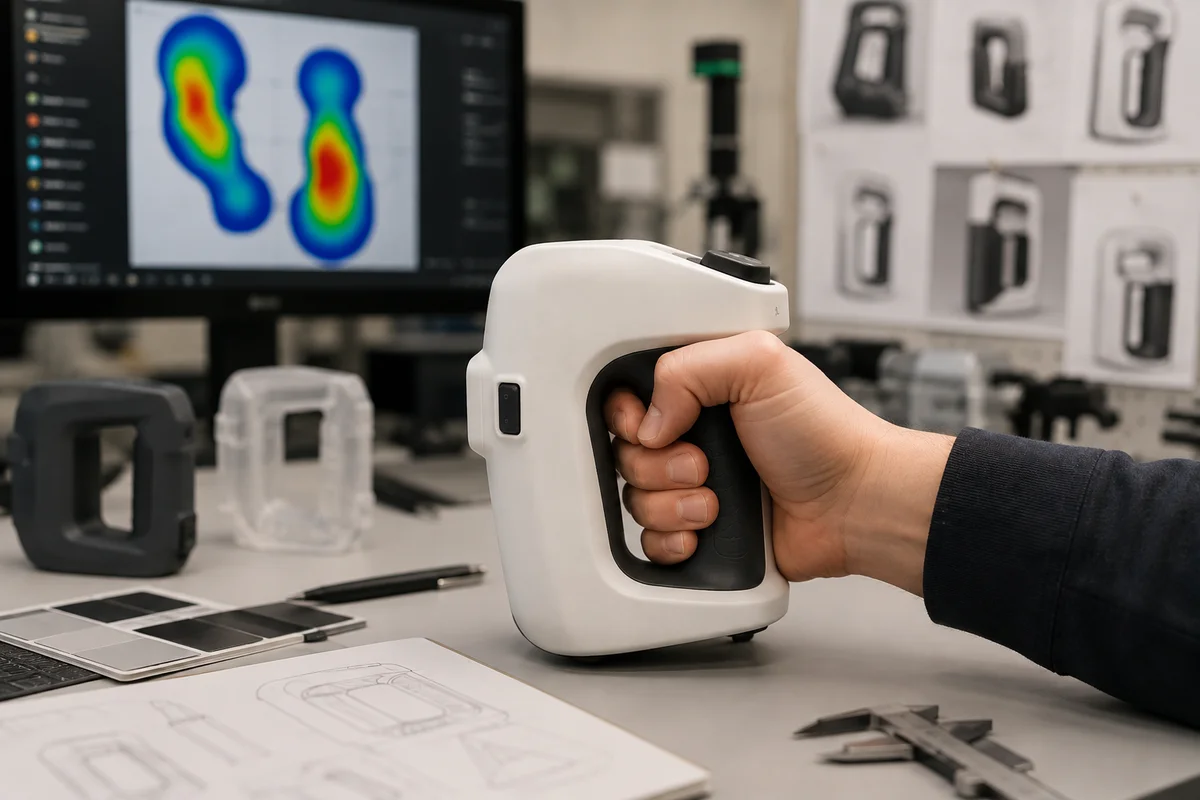
What the first three months usually look like: definition and concept work, a build that proves the principle, and geometry taken to the point a factory can quote it.
Not sure what your next build should be?
Book a free 30-minute discovery call with our design director. You will leave with an honest feasibility read and a clear next milestone, whether or not you work with us.
Proof
Featured Startup Products We Took to Market
Every one of these started as an idea or an unmanufacturable prototype owned by a small team.
Consumer Electronics
Gaming Headphones & Accessories
Psyko Audio
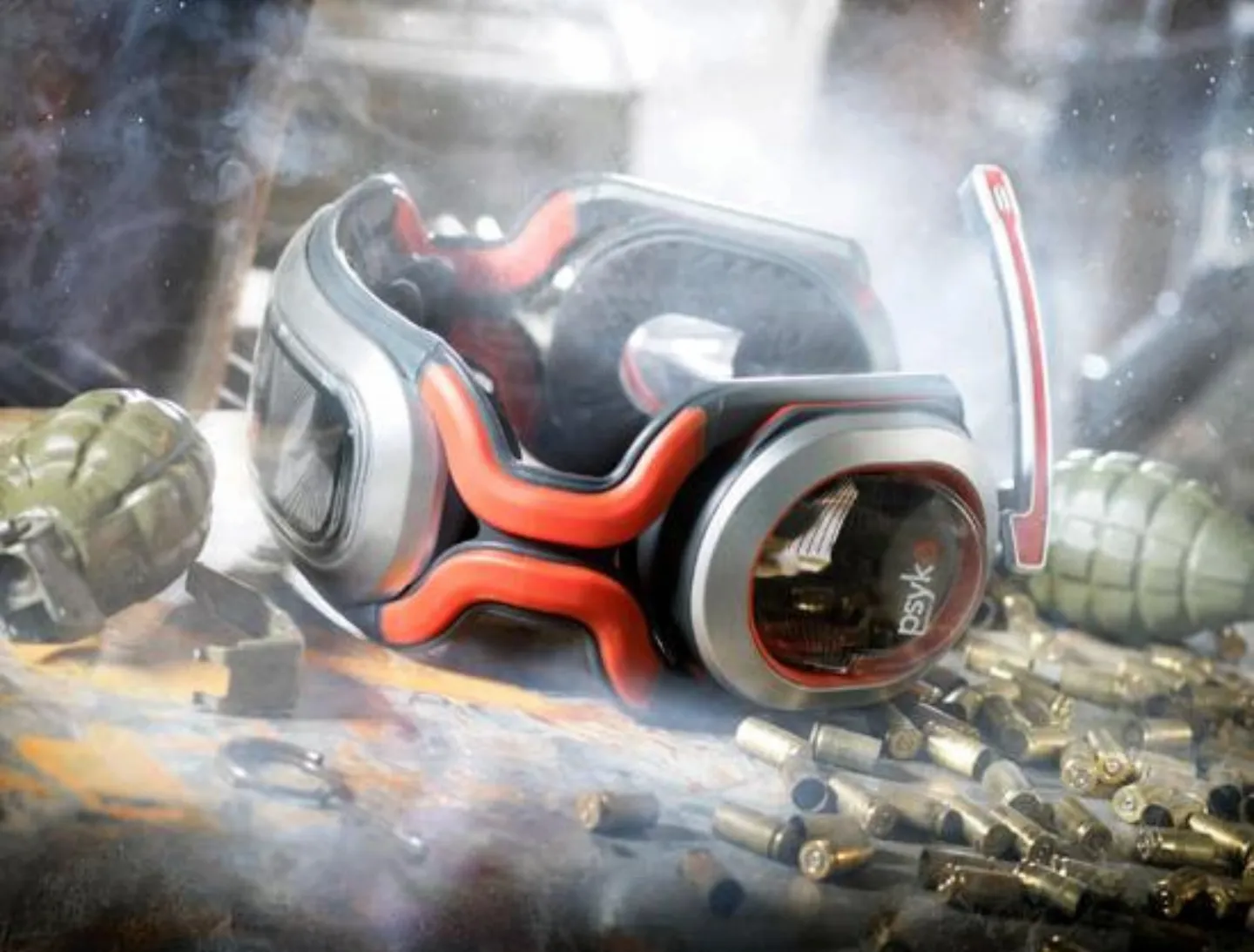
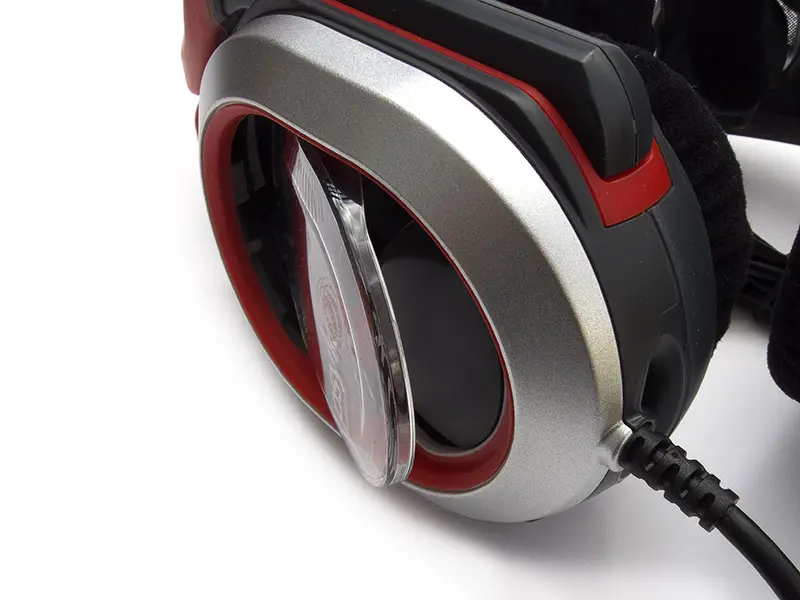
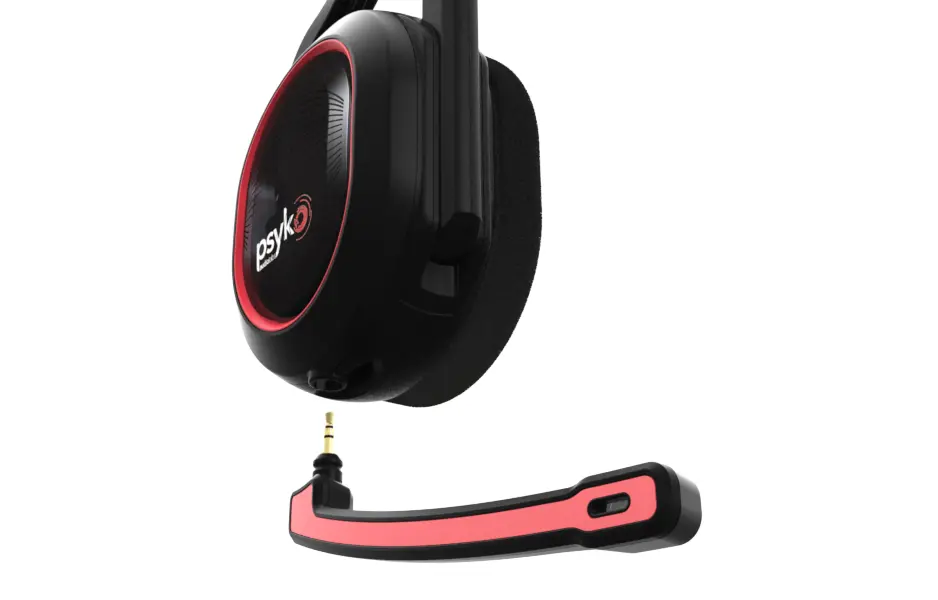
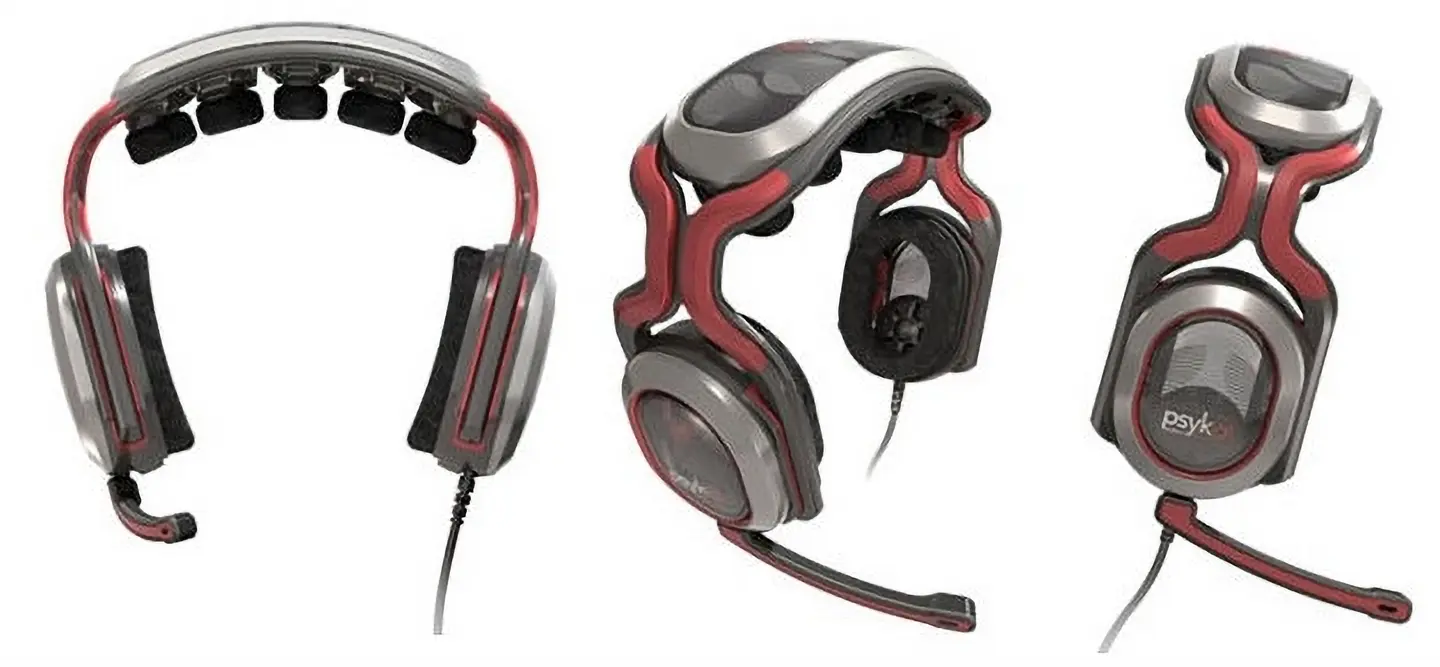
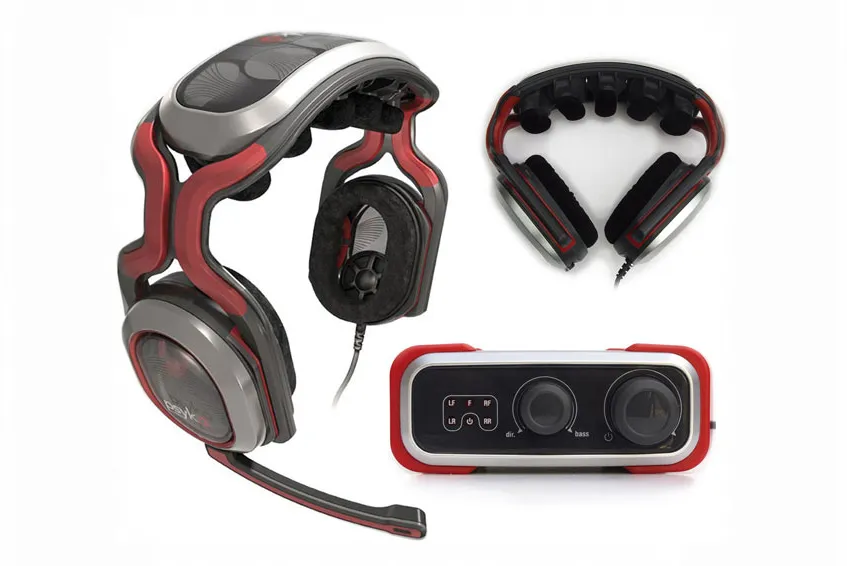
A startup with genuinely novel acoustics and no product. We built the housing around the wave-guide system instead of forcing the acoustics into a generic shell, then extended that design language into the microphone and amplifier accessories — the clearest example of “we have the technology, not the product” finished properly. It won a Red Dot Design Award.
View Case StudyClean Tech
e-MAG
MagPower Systems
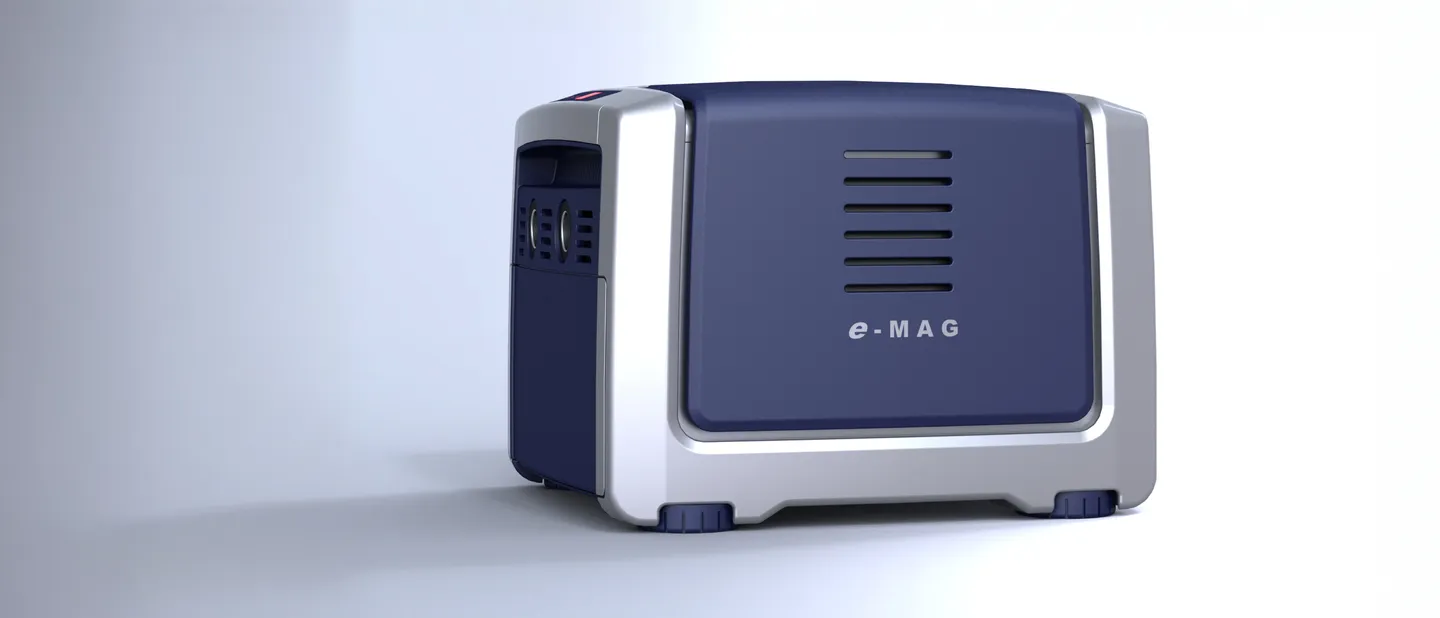
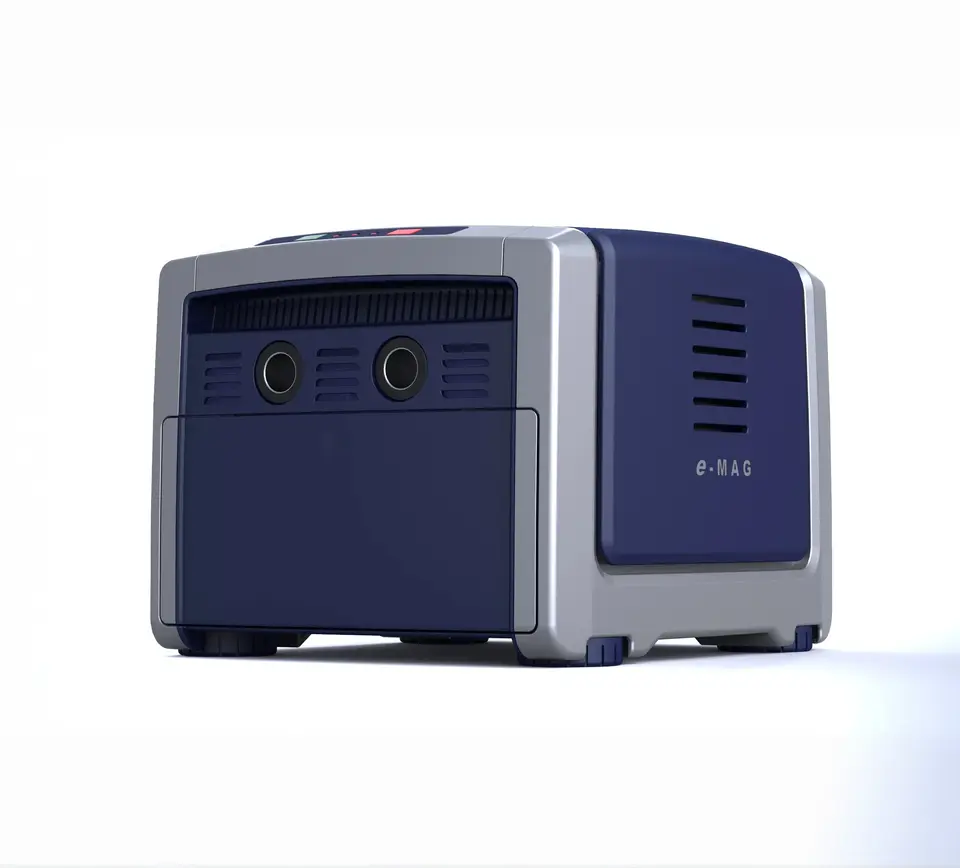
Deep technology — power from magnesium and saltwater — that had to become something a person could carry, refuel and service. The hardest version of translating an invention into a usable product.
View Case StudyWhy Creative Coefficient
Founders Get the Senior People, Not a Junior Team
We have been developing physical products since 2000, across consumer electronics, medical devices, industrial safety, ag-tech and clean tech. That breadth matters to a startup: the manufacturing process that solves your problem has usually already been proven in an industry you have never looked at.
Studios in Calgary and Newcastle mean North American and Asia-Pacific manufacturing perspectives are designed in from the start, and work keeps moving across time zones.
One team, no handovers
Industrial design, mechanical engineering and manufacturing support in one studio.
Award-winning work
Red Dot, IDEA Gold, Good Design and CES Best in Show.
Cross-industry transfer
Solutions proven in medical or industrial markets, brought to yours.
Manufacturing reality
We design against processes, tolerances and quotes, not renders.
Design director on the call
You speak to the person who will run your project, not a salesperson.
Two hemispheres
Calgary and Newcastle: North American and Asia-Pacific supply chains.
FAQ
Questions Founders Ask Us First
If yours is not here, ask it on the call. We will give you a straight answer even when it is “not yet.”
How early can you get involved?
As early as a conversation. Some of our best projects started from a sketch and a market observation. Coming in early is usually cheaper overall, because the expensive mistakes in hardware are made in the first few decisions, not the last ones.
Do I need engineering completed before hiring an industrial design firm?
No, and doing engineering first is often the more expensive order. Locking internal architecture before the product is defined tends to force the industrial design to wrap around decisions that no longer serve the user or the cost target. We run design and engineering together.
Can you help us build a working prototype?
Yes. We develop appearance models, functional prototypes and pre-production units, and we choose which one you need based on the question you are trying to answer — investor confidence, user testing, technical validation or tooling readiness.
Can you help us find manufacturers?
Yes. Supplier identification, quoting packages and manufacturing liaison are part of our Make phase, in both North America and Asia-Pacific. We stay involved through tooling and pilot production so the intent survives the transfer.
How much does hardware product development cost?
It depends on complexity, how many unknowns need resolving, regulatory requirements and how far you want us to take it. Rather than quote a meaningless range, we scope in phases so you can see cost and value one commitment at a time. The discovery call will give you an honest read on the order of magnitude.
How long does product development usually take?
A straightforward consumer product might reach production in several months; a regulated device with new technology can take a year or more. The biggest variables are technical unknowns, testing and certification, and tooling lead times — not the design work itself.
Can you work within a startup budget?
Often, yes, by phasing the work so each stage produces something you can use — a definition document, a resolved concept, a prototype, a production package. We would rather tell you a scope is not fundable yet than start a program that stalls halfway.
Do you work with founders outside Calgary and Newcastle?
Yes. We run projects remotely across North America and Asia-Pacific as a matter of routine, with reviews, prototypes shipped and factory communication handled from whichever studio suits your time zone.
Can you prepare a product for investor presentations?
Yes. Resolved form, photo-real renderings, appearance models and a credible development and cost roadmap. Investors in hardware ask about manufacturability and unit economics quickly, so we make sure the story behind the images holds up.
Can you take a product all the way to manufacturing?
Yes. That is the point of the studio: product definition through industrial design, engineering, DFM, production documentation, tooling support and pilot production, with one team accountable end to end.
Talk to Us About Your Product
A free 30-minute call with our design director. Bring a sketch, a prototype or just the problem you are trying to solve. You will leave with honest feasibility feedback and a roadmap to your next milestone.
Book a Free Discovery Call