Product Prototyping

Product Prototyping

Prototype to answer a question, not just to make something that looks finished.

We use prototypes throughout development to test assumptions, expose problems and reduce risk before tooling and production commit real money.

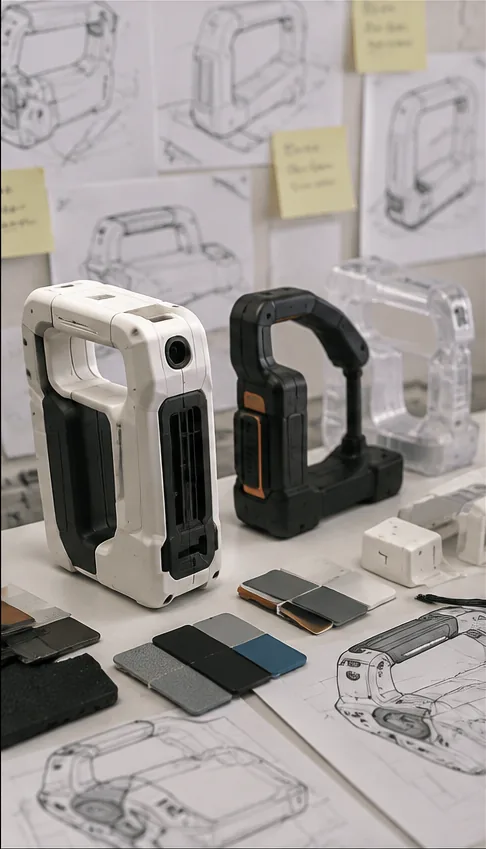
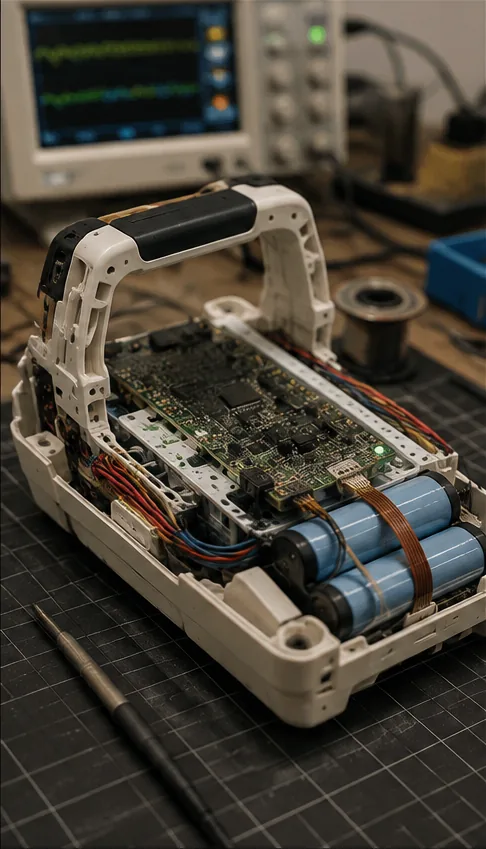
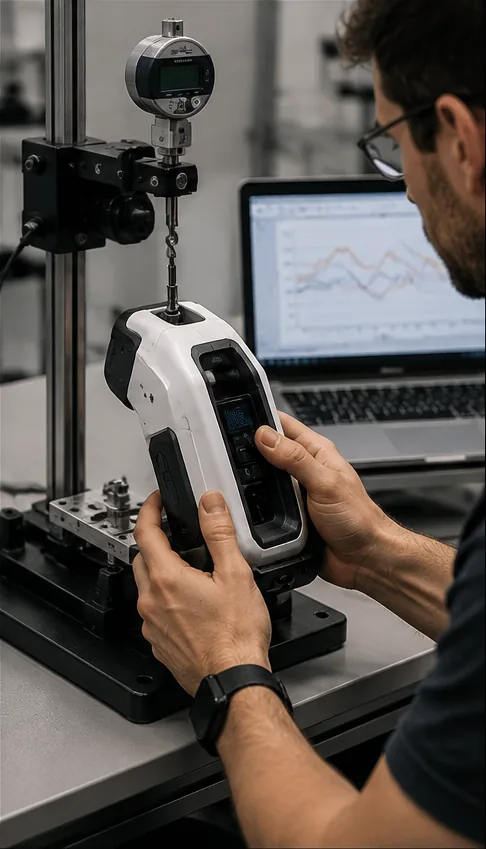
Prototype development for the Snapshot NIR handheld imaging device
Snapshot NIR — functional prototype lineage
Purpose
Risk reduction, not model making
Range
Proof-of-concept to production-intent
Includes
Mechanical and electronics builds
Output
Answered questions, documented

Why Prototype

Every prototype should answer a specific question

A prototype with no question attached is expensive decoration. Before we build anything we agree what it has to prove: whether the technology works, whether it fits, whether a user understands it, whether the mechanism survives.

That framing changes what gets built. A question about grip does not need working electronics. A question about thermal behaviour does not need a finished surface.

Prototyping runs across both design and engineering, which is why it appears in both loops of our process rather than as a single stage near the end.

What This Includes

Prototype types and what each one proves

01

Proof-of-Concept Prototypes

Test the critical technical assumption early, in the crudest form that gives a trustworthy answer.

  • Technical risk
  • Feasibility
  • Early evidence

02

Appearance Models

Evaluate form, scale, proportion, CMF and visual intent at presentation quality — for review, investment and stakeholder decisions.

  • Form
  • Scale
  • Proportion
  • CMF
  • Visual intent
  • Presentation quality

03

Ergonomic Models

Put the product in real hands. Fit, reach, grip, comfort and workflow are decided by testing, not opinion.

  • Fit
  • Reach
  • Grip
  • Comfort
  • Workflow
  • Human interaction

04

Functional Prototypes

Mechanisms, electronics, controls, architecture and assembly exercised together to find where the system disagrees with itself.

  • Mechanisms
  • Electronics
  • Controls
  • Architecture
  • Assembly
  • Performance

05

Electronics Prototypes

Prototype PCBs, sensors, power, displays and connectivity built and integrated with the mechanical package, using our retained electrical capability.

  • Prototype PCBs
  • Sensors
  • Controls
  • Power
  • Displays
  • Connectivity
  • Integration

06

Alpha Prototypes

The transition from separate proof elements to one integrated functioning system — usually the first time the whole product is honest with you.

  • System integration
  • Full function
  • Internal testing

07

Beta / Production-Intent Builds

Production materials, architecture, processes, final electronics and the real assembly approach introduced progressively.

  • Production materials
  • Production architecture
  • Manufacturing processes
  • Final electronics
  • Assembly approach

08

Prototype Testing + Iteration

Build → Test → Learn → Refine. Iteration is how development works; a prototype that revealed a problem did its job.

  • Test planning
  • Evaluation
  • Documented findings
  • Design iteration

09

Prototype Is Not Production

A working prototype can still carry too many parts, expensive processes, temporary fasteners, loose tolerances and non-production materials. Closing that gap is a separate discipline.

Explore Design for Manufacturing
  • Part count
  • Process cost
  • Fasteners
  • Tolerances
  • Assembly
  • Materials

What Prototypes Can Answer

Ask the question before you build the thing

These are the questions that most often justify a build. Naming the question up front keeps the prototype cheap and the answer trustworthy.

Does the technology work?

Proof-of-concept, isolated from form and finish.

Is it comfortable?

Ergonomic models tested with real users in real posture.

Does everything fit?

Packaging and stack-up verified physically, not only in CAD.

Can it be assembled?

Assembly sequence and tool access tried by someone other than the designer.

Featured Projects

Prototype-led development

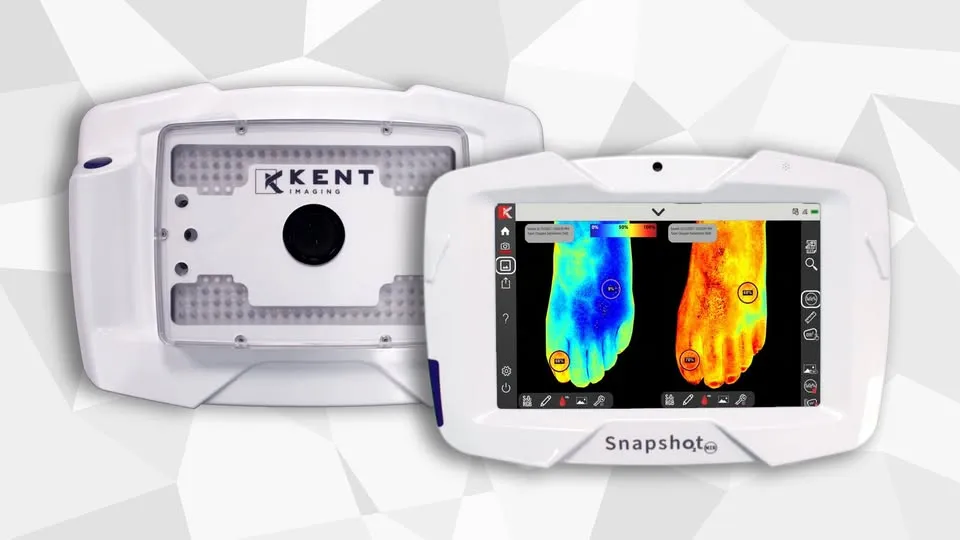
Snapshot NIR prototype

Medical Device

Snapshot NIR

Challenge
Clinical usability and optical performance both had to be proven before committing to production hardware.
Our role
Ergonomic and functional prototypes through to integrated builds.
Why it matters
Prototypes settled clinical handling questions that no review could resolve on screen.
View the project
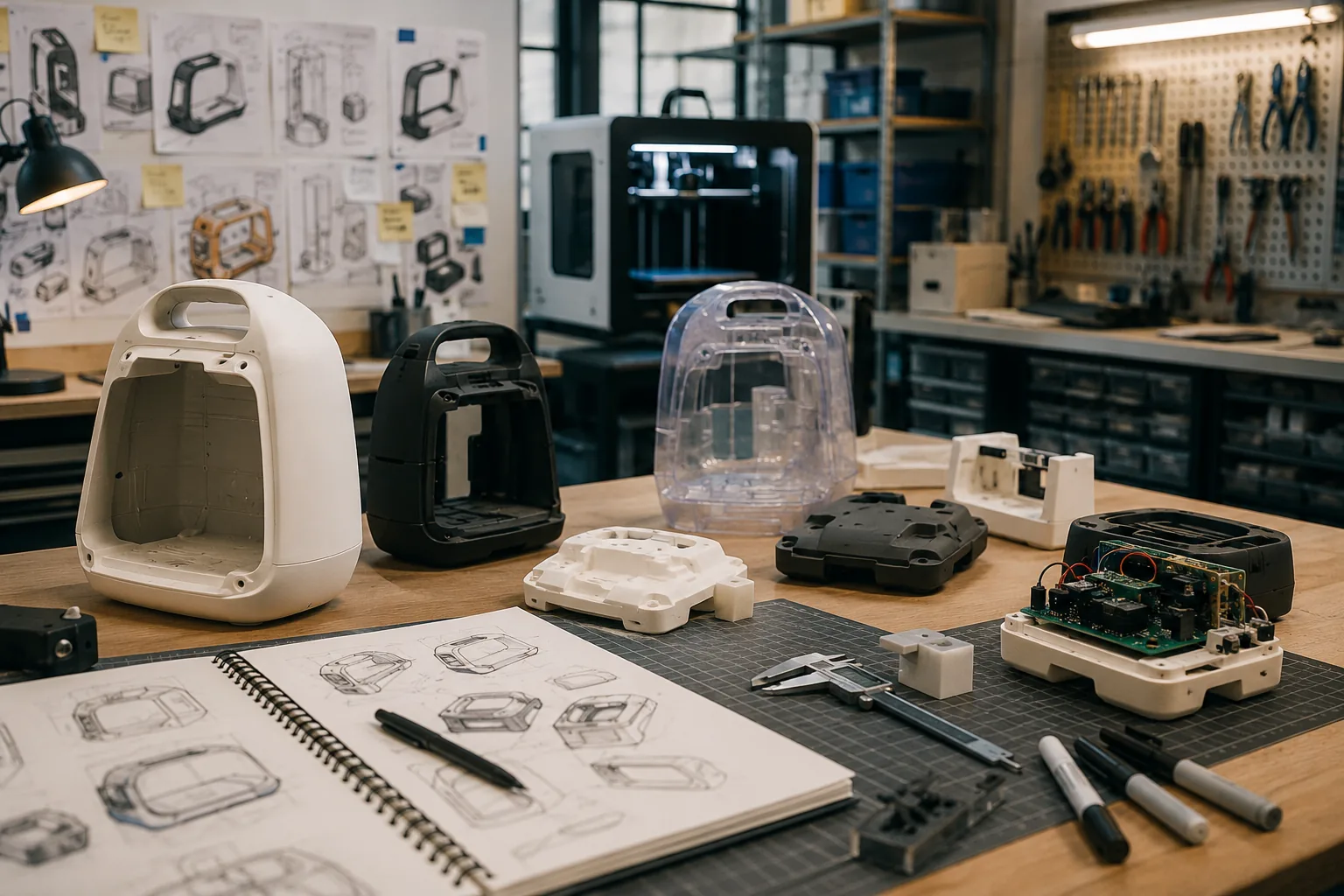
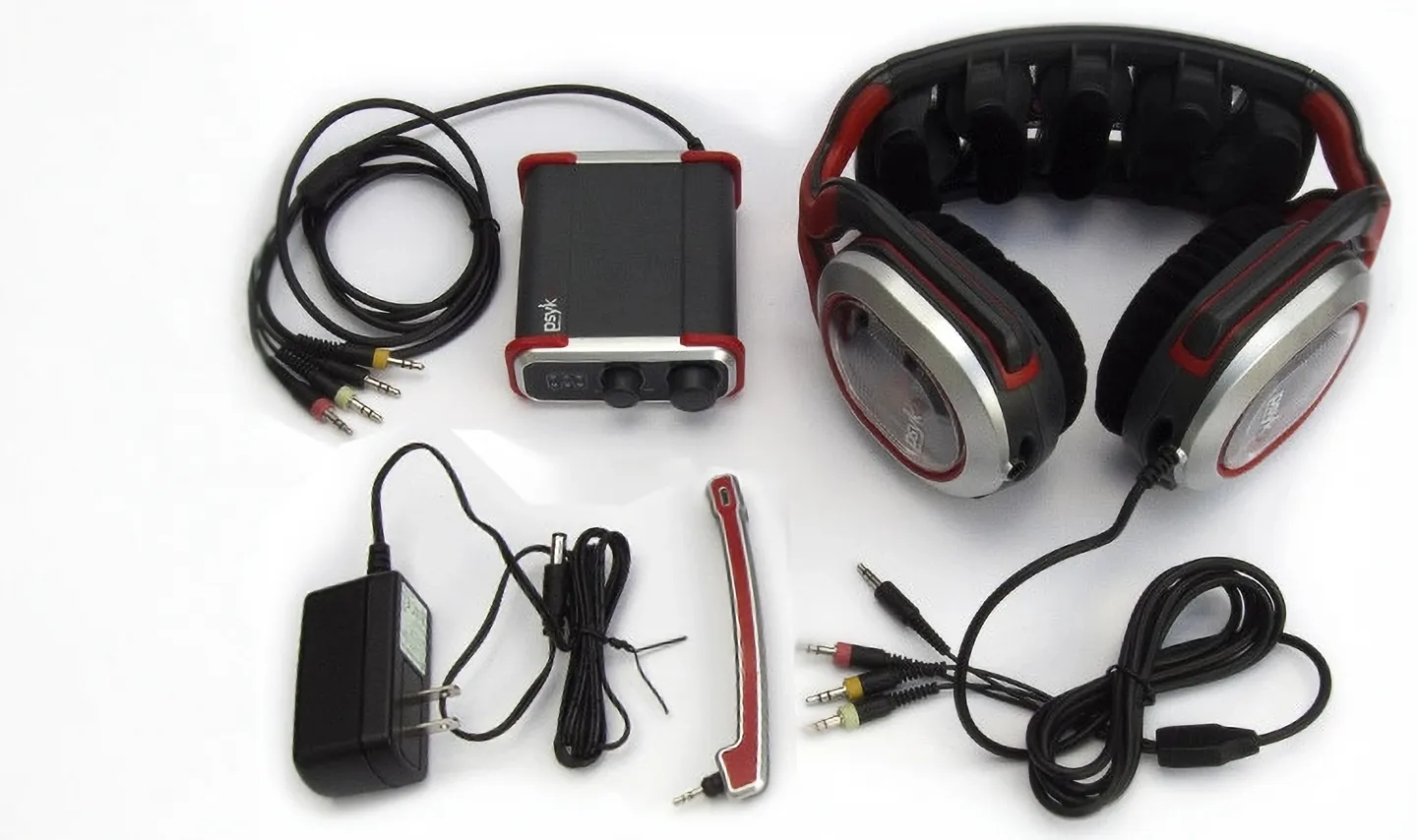
Psyko Audio prototype components

Consumer Audio

Psyko Audio

Challenge
A novel acoustic architecture needed physical validation alongside appearance-quality review models.
Our role
Appearance models and functional acoustic prototypes.
Why it matters
Shows the split between models built to persuade and models built to test.
View the project
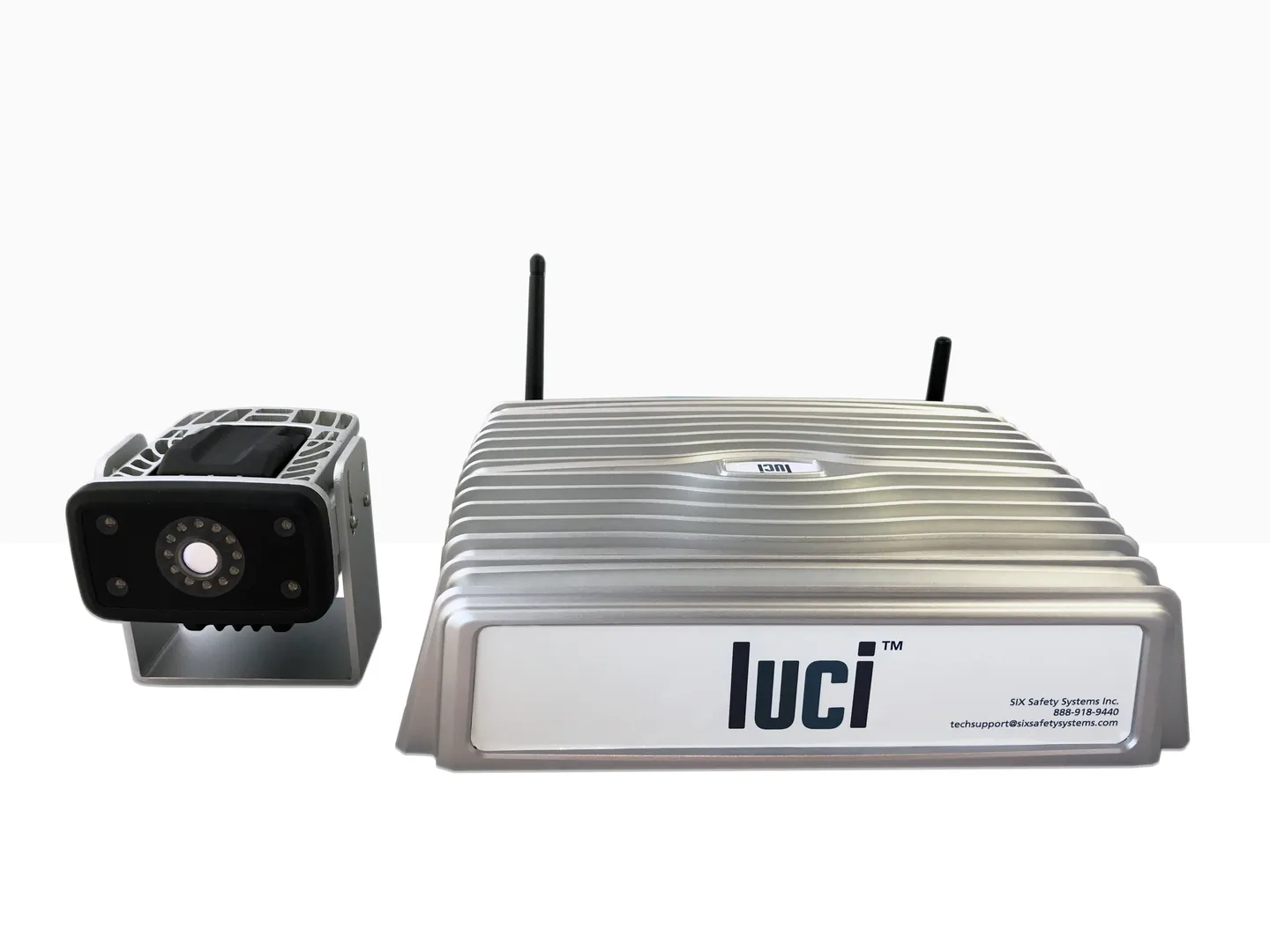
LUCI prototype build

Industrial Safety

LUCI

Challenge
Rugged sensing hardware that had to be tested against environmental and handling abuse.
Our role
Functional and production-intent builds for field evaluation.
Why it matters
Environmental risk found in prototype rather than in the field.
View the project
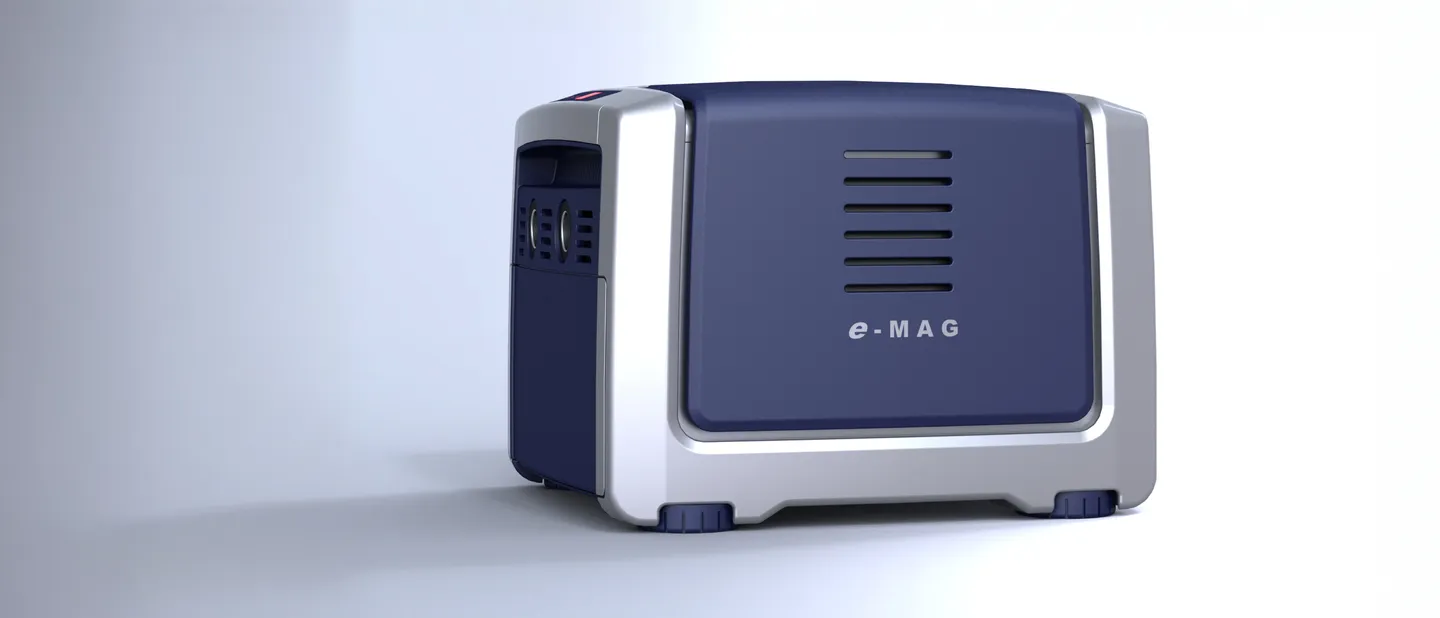
MagPower prototype hardware

CleanTech / Energy

MagPower

Challenge
Electrical and mechanical assumptions needed simultaneous physical validation.
Our role
Electronics and mechanical prototypes developed together.
Why it matters
Integrated prototyping exposed interface problems while they were still cheap.
View the project

FAQ

Prototyping questions

Can you build just one prototype for us?

Yes, provided we can agree what question it has to answer. That is what makes it worth building.

Do you 3D print in-house?

We use the process the question requires, in-house or through vetted suppliers — printing is one option among several.

Can you prototype electronics?

Yes. Prototype PCBs, sensors, power, displays and connectivity, integrated with the mechanical package.

How many prototype rounds should we expect?

It depends on unresolved risk. We scope rounds against questions, not against a fixed number.

Is a working prototype ready for production?

Usually not. Prototypes optimise for learning; production optimises for cost, repeatability and assembly. DFM closes that gap.

Can prototypes be used for investor or customer review?

Yes — appearance models and alpha builds are often used exactly that way.

What Does Your Next Prototype Need to Prove?

Tell us the question and we will tell you the cheapest honest way to answer it.

Talk About Your Prototype