Design for Manufacturing

Design for Manufacturing

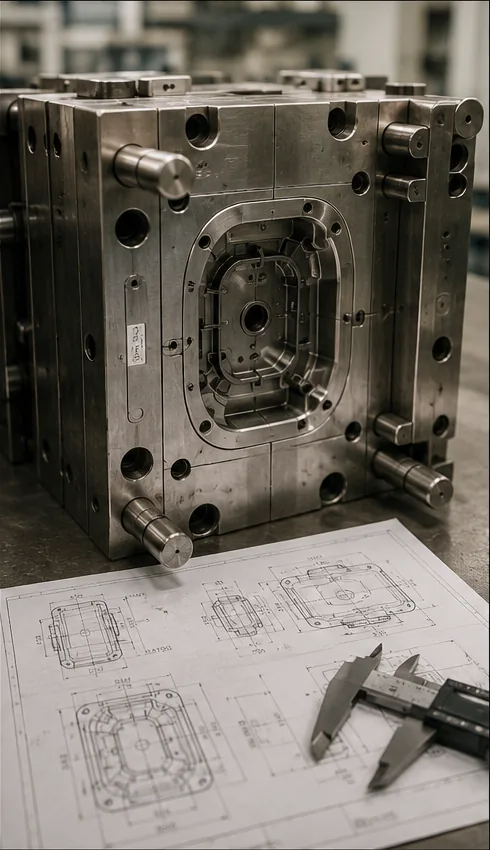
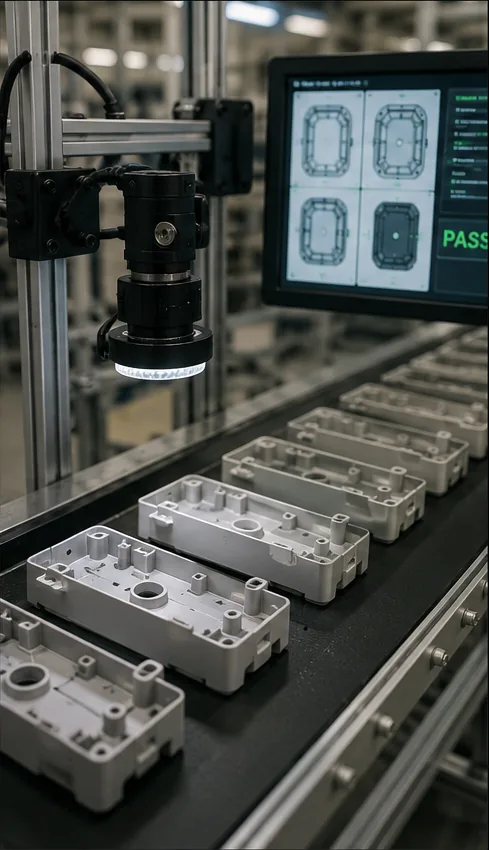
The best time to solve a manufacturing problem is before tooling starts.

We integrate manufacturing considerations throughout development so production does not become an expensive redesign exercise at the worst possible moment.

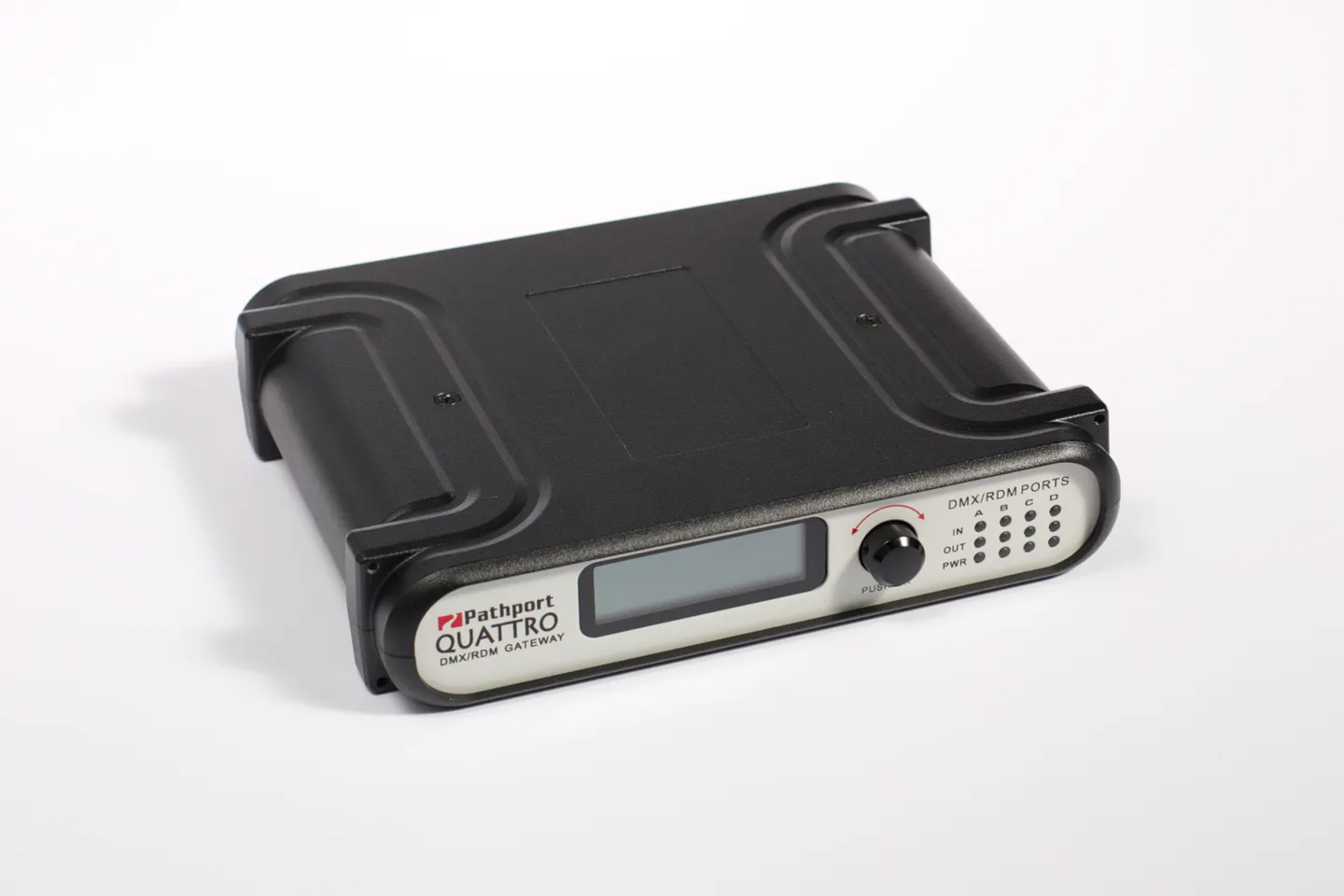
Acuity Quattro DMX gateway developed for manufacture
Acuity Quattro — enclosure platform strategy
Purpose
Make it buildable and economic
Applies from
Architecture, not final review
Levers
Process, parts, assembly, tooling
Output
Production-ready design

What DFM Actually Means

DFM is not a CAD review at the end

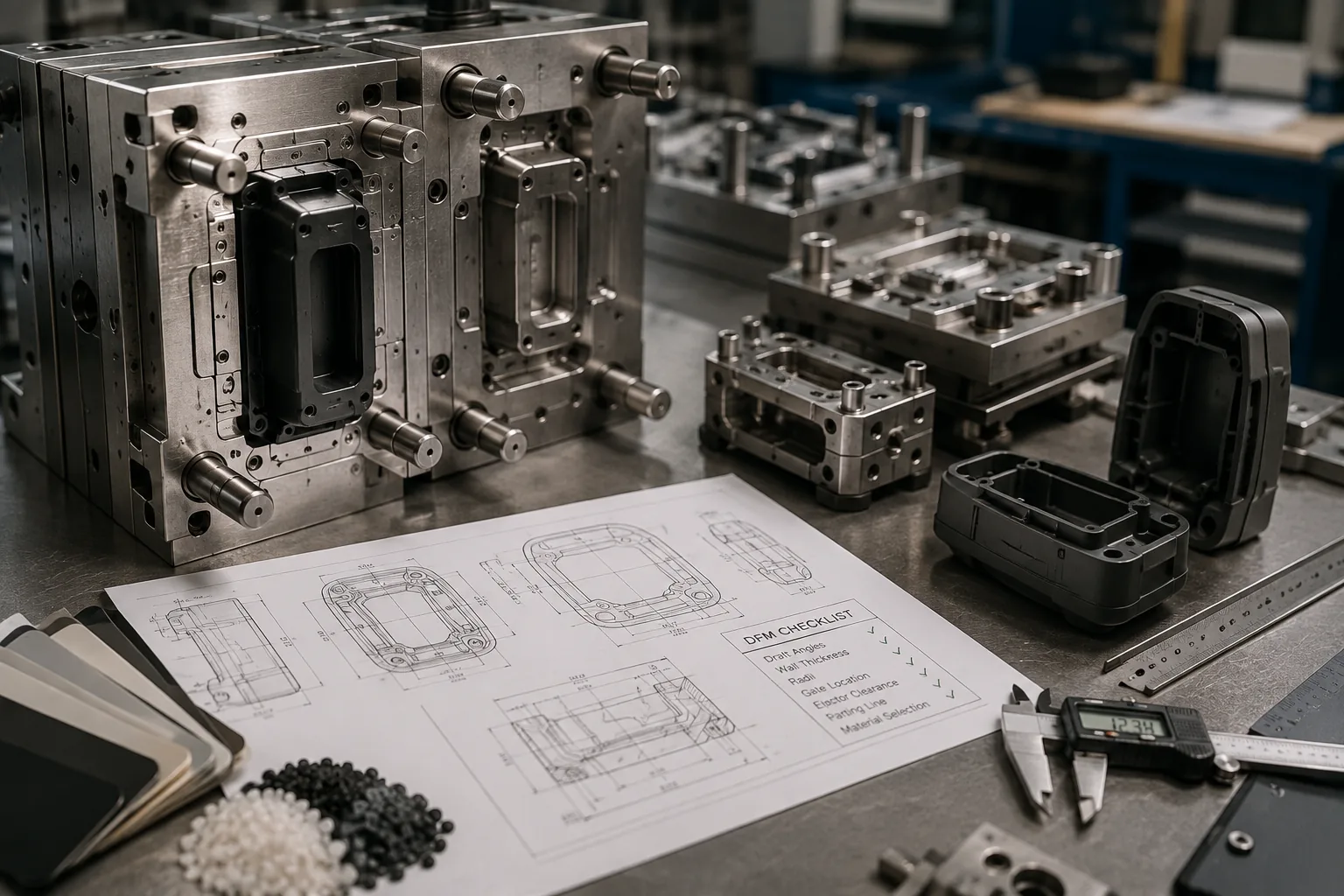
A DFM pass applied after geometry is frozen can only trim the edges. Real DFM influences architecture, part geometry, material selection, tooling, assembly, fasteners, finishes, tolerances and unit cost — decisions made long before release.

That is why we treat it as a running constraint rather than a gate. Every architecture decision carries an implied process and an implied tool, and we make those explicit early.

Done properly, DFM is a cost and schedule discipline. Done late, it becomes a redesign with a tooling invoice attached.

What This Includes

The DFM levers, section by section

01

Manufacturing Process Selection

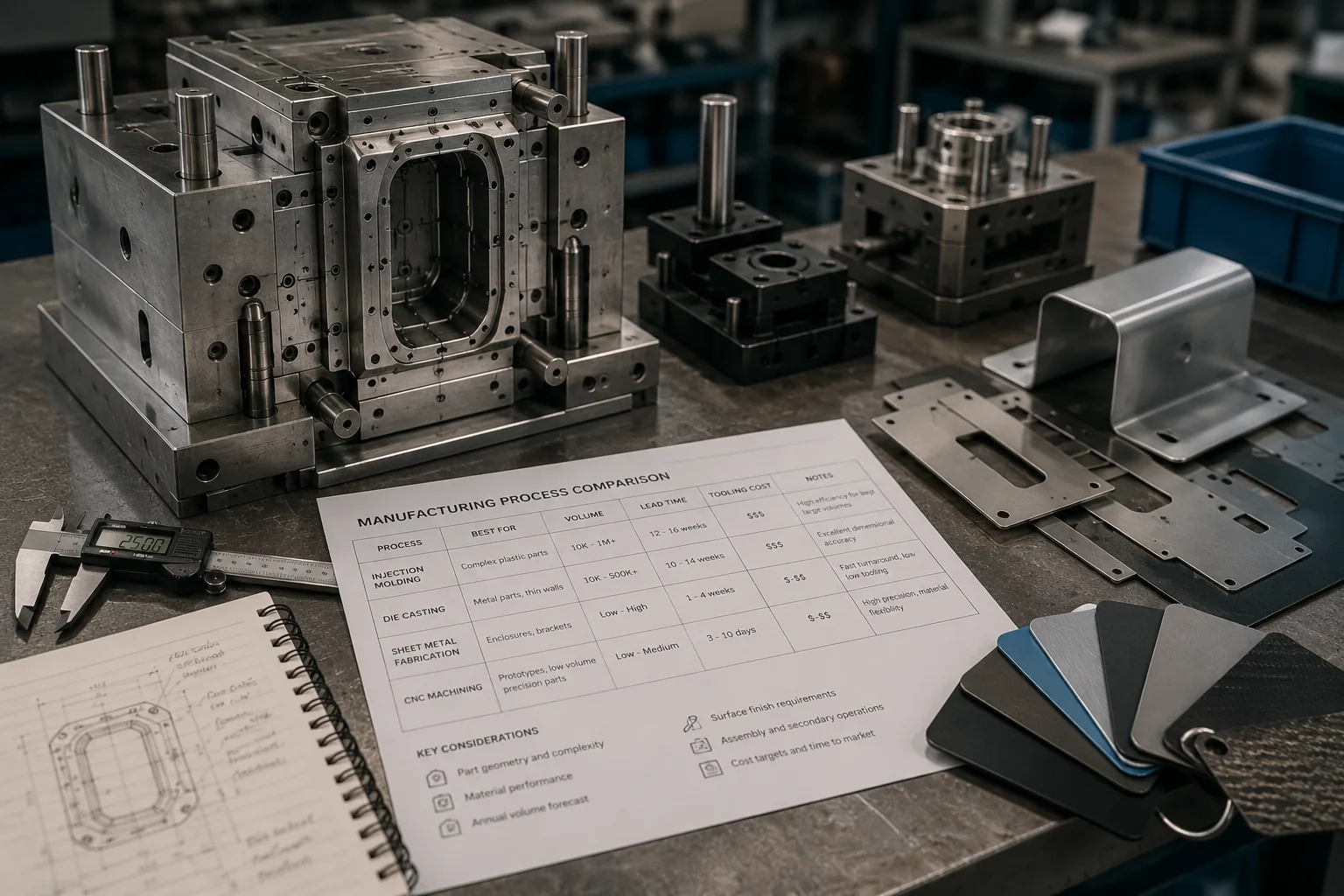
Process chosen against volume, geometry, cost, performance, tooling investment and required finish — not habit.

  • Injection moulding
  • Casting
  • Sheet metal
  • Extrusion
  • Machining
  • Fabrication
  • Additive

02

Materials

Material selected for structural performance, environment, temperature, durability, appearance and cost — and for the process that has to form it.

  • Structural performance
  • Environment
  • Temperature
  • Durability
  • Appearance
  • Cost

03

Part Consolidation

Every unnecessary part costs twice: once in tooling and supply, again in assembly labour and failure modes. Consolidation is usually the largest single lever.

  • Cost
  • Assembly
  • Reliability
  • Tooling
  • Supply chain
  • Service

04

Design for Assembly

Assembly sequence, fasteners, tool access, alignment, mistake-proofing, part orientation and labour time designed deliberately.

  • Assembly sequence
  • Fasteners
  • Tool access
  • Alignment
  • Mistake-proofing
  • Labour time

05

Tooling Strategy

Tool complexity, parting lines, draft, undercuts and tooling investment weighed against production volume — including family tooling where it earns its place.

  • Tool complexity
  • Parting lines
  • Draft
  • Undercuts
  • Tooling investment
  • Family tooling

06

Tolerances

Unnecessarily tight tolerances buy nothing and cost repeatedly — in price, scrap, complexity and supplier friction. We tighten only where function demands it.

  • Cost
  • Scrap
  • Complexity
  • Supplier capability

07

Cost Reduction & Value Engineering

Reduce cost without removing the qualities that make the product valuable. That distinction is the whole discipline.

  • Part reduction
  • Material optimization
  • Process changes
  • Assembly simplification
  • Finish reduction
  • Tooling simplification

08

Into Manufacturing

DFM outputs are only useful if the supplier receives them properly. We carry them into quoting, tooling review and pilot production.

Explore Manufacturing Support
  • Documentation
  • Supplier review
  • Tooling
  • Pilot builds

A Real DFM Decision

One enclosure platform, multiple mounting configurations

On the Acuity Quattro DMX gateway program a single enclosure platform was developed to support both rack-mount and wall-mount installation across the Pathport family — reducing part variants and tooling complexity without complicating the product for either installation type.

Fewer unique parts

One platform serving both mounting configurations instead of separate tools.

Lower tooling spend

Tooling investment spread across configurations rather than duplicated.

Simpler supply

Fewer part numbers to quote, stock, inspect and service.

Family consistency

Shared geometry keeps the product line visually coherent.

Featured Projects

Products shaped by manufacturing reality

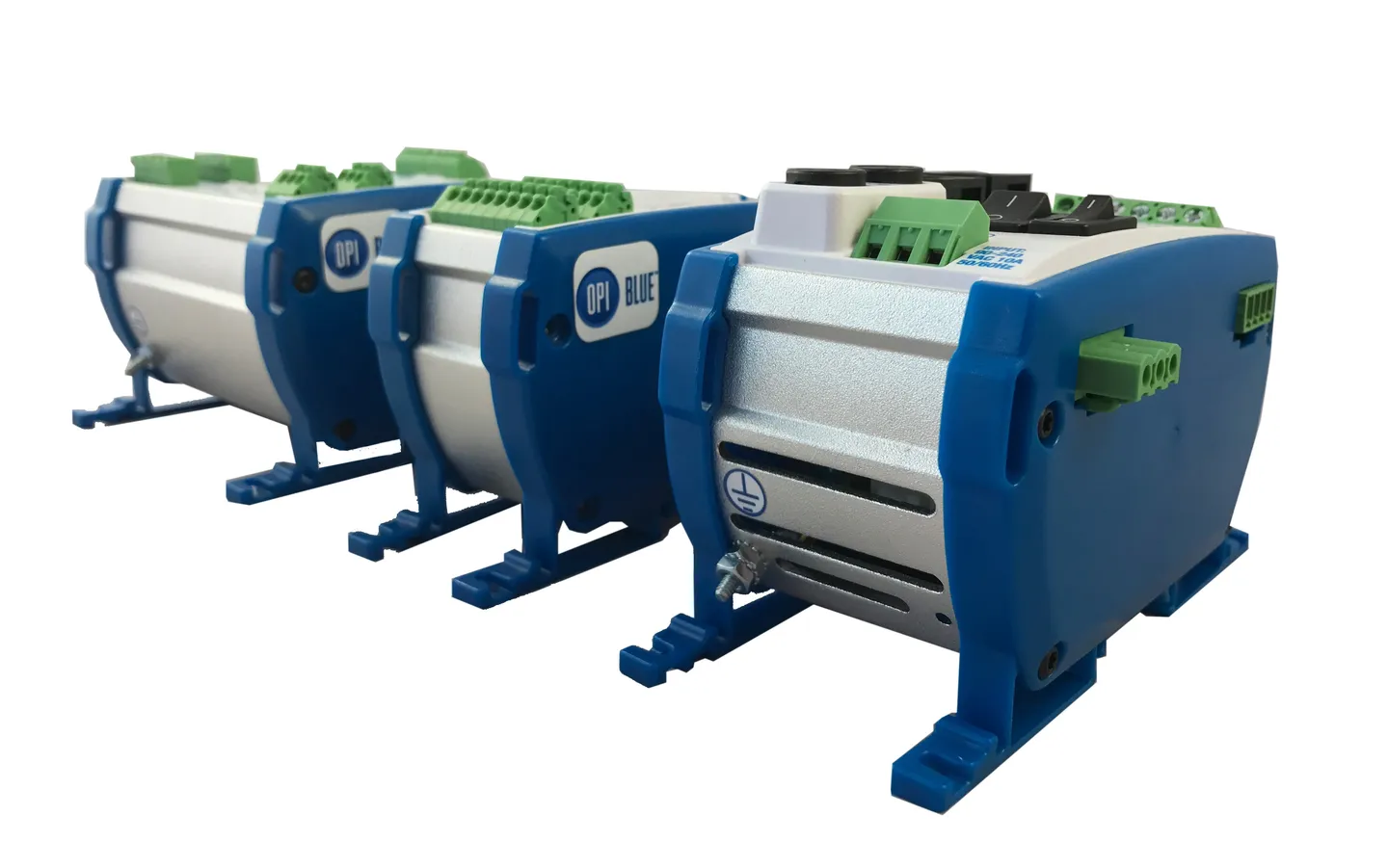
Acuity Quattro enclosure

Commercial Technology

Quattro

Challenge
A family of mounting configurations threatened to multiply unique components and tooling.
Our role
Enclosure strategy and DFM development around a shared platform.
Why it matters
Architecture-level DFM removing cost before tooling was committed.
View the project
OPI Blue-DIN manufacturability

Industrial Electronics

OPI Blue-DIN

Challenge
Dense electronics in a fixed envelope, needing repeatable assembly at production volume.
Our role
Mechanical engineering and DFM under strict dimensional constraint.
Why it matters
Shows tolerance and assembly discipline where there is no spare space.
View the project
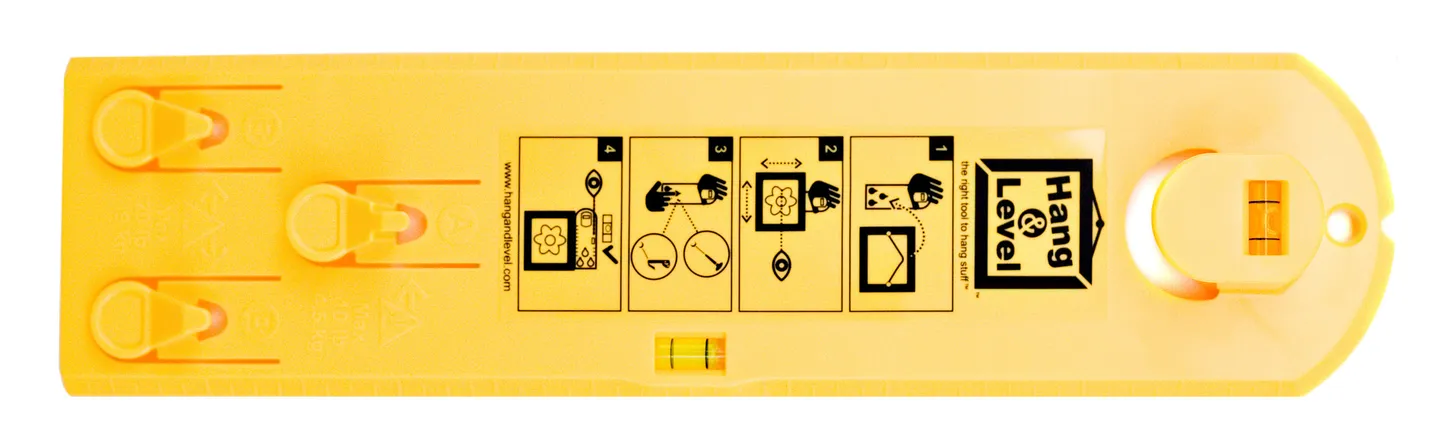
Hang and Level production

Consumer Tools

Hang & Level

Challenge
A consumer price point that only worked at low part count and short assembly time.
Our role
Design and DFM through to high-volume production.
Why it matters
Unit economics designed in rather than negotiated afterwards.
View the project
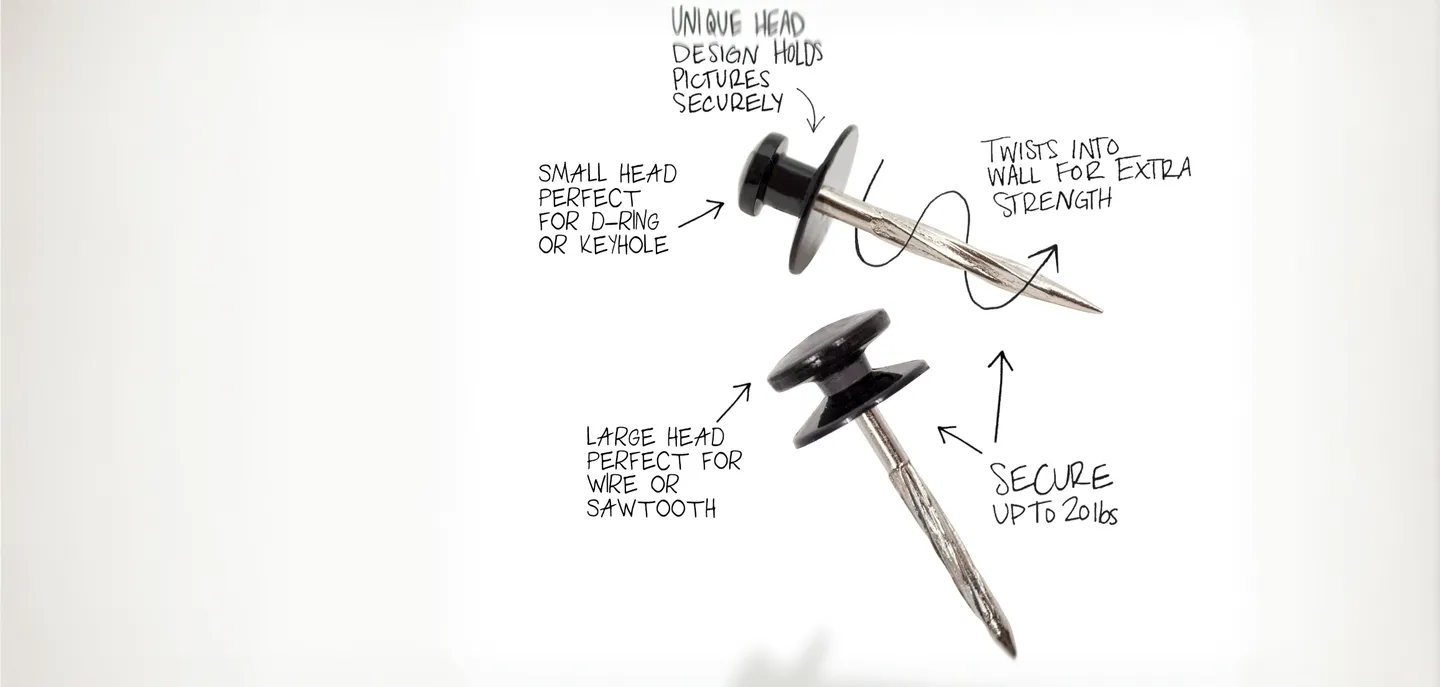
DécoNails product

Consumer Products

DécoNails

Challenge
Consumer product requiring efficient tooling and finishing at retail volumes.
Our role
Manufacturing-led design refinement and process selection.
Why it matters
Process and finish decisions made against real retail cost targets.
View the project

FAQ

DFM questions

When should DFM start?

At architecture. Process and tooling assumptions should be explicit before geometry is detailed.

Can you DFM a design we already have?

Yes. We review an existing design against process, tooling, assembly and cost, then propose changes ranked by impact.

Will DFM change how the product looks?

Sometimes, at the margins. The point is to protect the qualities that make the product valuable while removing cost that does not.

Can you work with our supplier's DFM feedback?

Yes. Reconciling supplier feedback with design intent is a routine part of this work.

Does DFM apply at low volumes?

Yes — the levers differ. At low volume the answer is often process selection and part count rather than hard tooling.

Can you quantify the savings?

We can estimate against part count, cycle time, tooling and assembly labour once the process is defined; supplier quotes confirm it.

Solve the Manufacturing Problem Before Tooling.

Send us the design or the prototype. We will tell you what production will cost you and what to change first.

Talk About Manufacturing Your Product